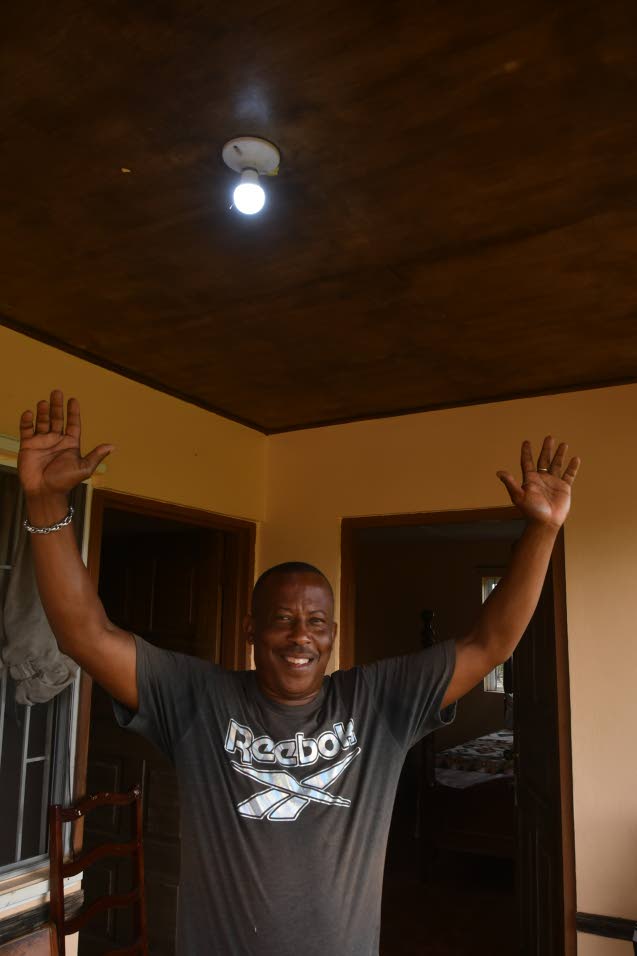
The Potsdam district in St. Elizabeth, Jamaica, has emerged from a 97-day electrical blackout that began when Hurricane Melissa devastated the island last October. The prolonged outage finally ended last Tuesday when Jamaica Public Service Company (JPS) restored power to the relieved community.
Residents expressed overwhelming joy at returning to normalcy after months of darkness and financial strain from generator dependence. The restoration enables simple comforts previously taken for granted—refrigerated food storage, reliable lighting, and resumed daily routines.
Damian Keane encapsulated the collective relief: “We’re happy and grateful because to be in the dark at night, we couldn’t manage.” Like many residents, he initially hesitated to trust the restoration, waiting days before plugging in appliances amid concerns about stability.
The hurricane initially left 77% of JPS customers without electricity, with western parishes including Westmoreland, St. James, Hanover, and Trelawny suffering most severely. As of February 5th, approximately 4% of customers remain without power as restoration efforts continue.
Beyond household inconveniences, the outage created significant economic hardships. Businessman Gregory Bloomfield reported spending $6,000 daily on generator fuel for his shopping complex, severely eroding profits. Telecommunications provider Everoy Foster lost numerous customers during the outage and questioned why repairs took months when most utility poles remained standing after Melissa, unlike during Hurricane Beryl when infrastructure was completely destroyed.
Foster provided temporary relief by distributing free Starlink satellite internet service throughout the community, enabling vital communications during the blackout. Despite his concerns about business recovery, he remains hopeful as customers gradually return.
Residents now advocate for improved infrastructure, including additional street lighting to enhance community safety. The experience has highlighted both the vulnerability of rural communities to natural disasters and the profound social and economic impacts of prolonged utility disruptions.