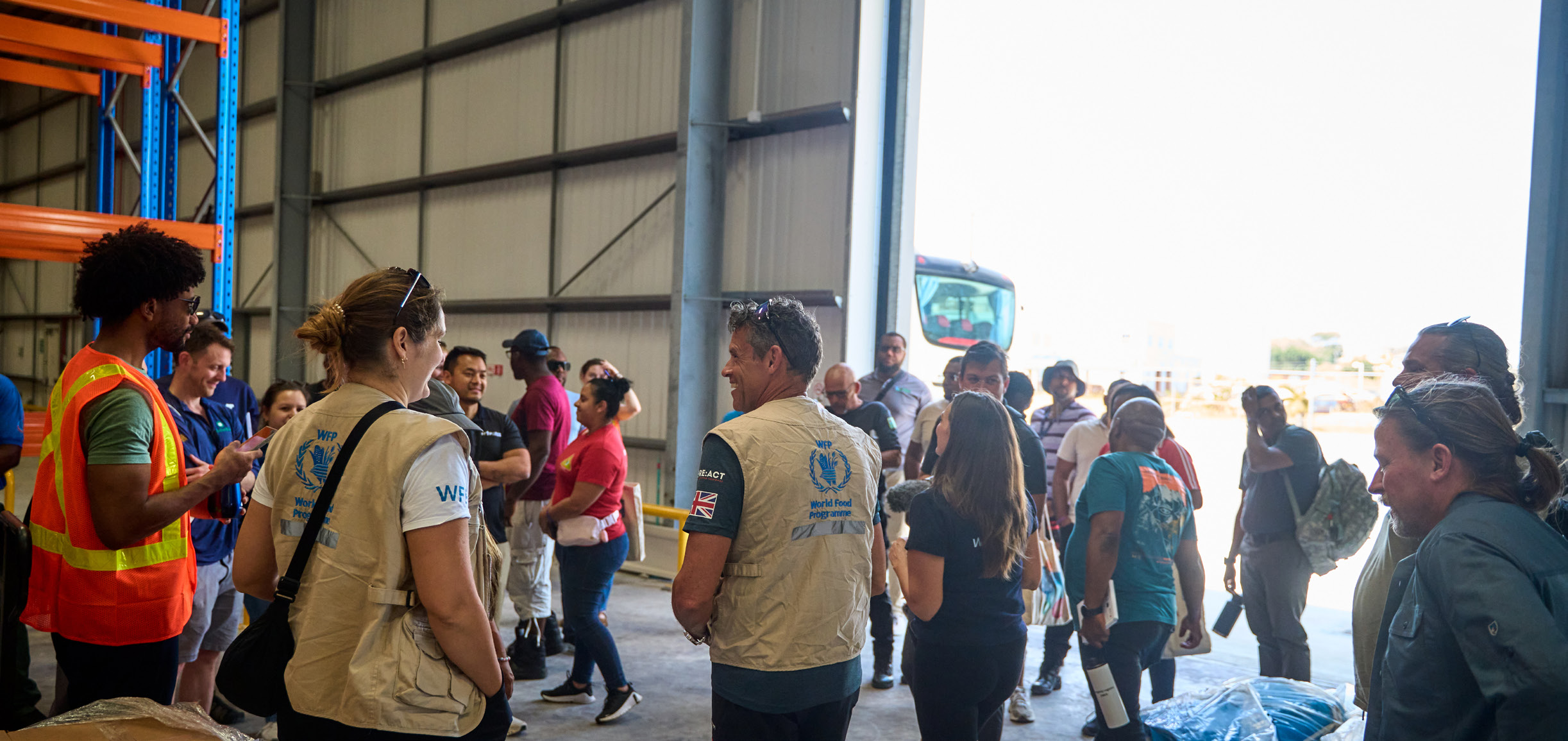
Barbados has become the epicenter of a groundbreaking regional preparedness initiative as disaster management specialists and humanitarian organizations from across the Caribbean converge for an unprecedented emergency logistics coordination exercise. This landmark simulation, hosted at the Caribbean Regional Logistics Hub, represents the first comprehensive effort to enhance collective readiness for the anticipated challenges of the 2026 Atlantic hurricane season.
The collaborative drill brings together emergency response coordinators from 12 Caribbean nations alongside 14 regional humanitarian partners, creating an integrated network of expertise. Participants are engaging in a meticulously designed scenario-based exercise set in a fictional Caribbean nation struck by a major hurricane, enabling agencies to practice real-time problem-solving and coordination under simulated emergency conditions.
Brian Bogart, Representative and Country Director for the UN World Food Programme’s Caribbean Multi-Country Office, emphasized the critical importance of such preparatory measures. “Through these simulations, we create a controlled environment where response teams can confront operational challenges without the devastating human cost of actual disasters,” Bogart explained. The exercise specifically focuses on improving coordination mechanisms, information sharing protocols, and collective decision-making processes during large-scale emergencies.
The simulation’s design incorporates dynamic elements that mirror the complexity and unpredictability of real disaster scenarios, requiring participants to adapt rapidly to evolving circumstances. This approach allows response organizations to identify potential gaps in their emergency frameworks and develop practical solutions before actual hurricanes materialize.
Bogart further highlighted the equitable training benefits of such exercises: “While some organizations gain experience through actual emergency response, not all nations or agencies have equal exposure to major disasters. These simulations ensure that all regional partners can develop essential response capabilities through structured, realistic training.”
The initiative represents a proactive shift in regional disaster preparedness strategy, moving from theoretical planning to practical, hands-on training that enhances collective response capabilities well in advance of each hurricane season.