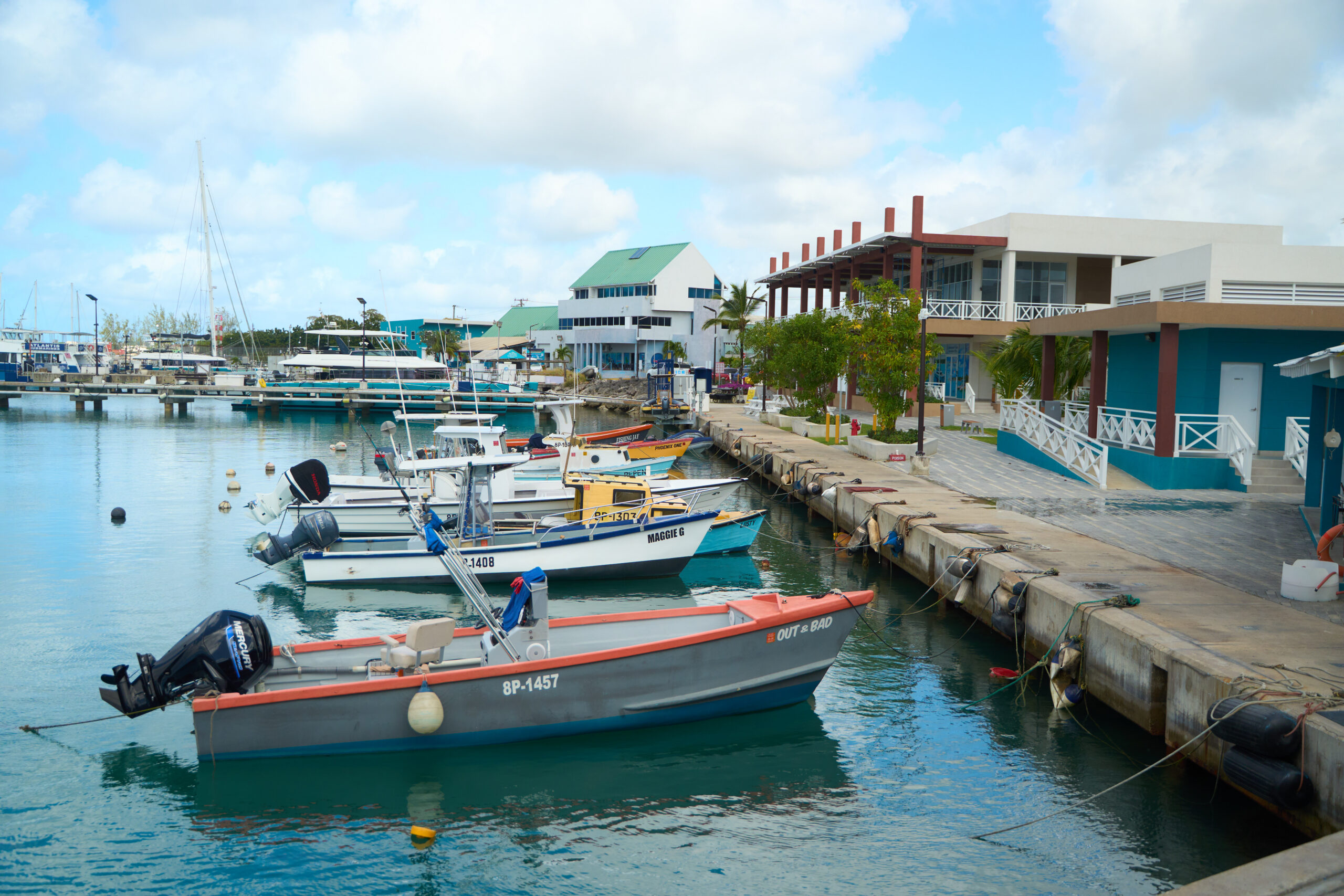
With Barbados’ general election approaching on February 11, the island’s fishing communities are calling for sustained government commitment to post-Hurricane Beryl recovery efforts and the completion of critical infrastructure projects vital to their industry’s survival.
Moonesh Dharampaul, Head of the Black Fin Fleet, emphasized to Barbados TODAY that the fishing sector has established a productive working relationship with current authorities and hopes this partnership will strengthen following the formation of a new administration. The industry suffered catastrophic damage during the 2024 hurricane season, forcing fisherfolk to implement gradual rebuilding measures while developing strategies to mitigate future storm impacts.
Among the most pressing needs identified are proper haul-out facilities at key landing sites. “We urgently need completion of the ongoing breakwater project,” Dharampaul stated. “Additionally, we require functional haul-out facilities and slipways that enable fishermen to quickly remove vessels from water when storms approach.”
Significant progress is underway through the Fisheries Division’s development of a national policy governing Fish Aggregating Devices (FADs). These artificial floating structures attract pelagic fish species and substantially increase catch volumes, though their deployment requires careful regulation to balance economic benefits with environmental considerations and spatial conflicts.
“The Fisheries Division is currently drafting a FAD policy,” Dharampaul confirmed. “We’re collaborating closely with Coastal Zone Management on economic zone spatial planning, and anticipate positive outcomes.” He stressed that meaningful consultation with fishing professionals must remain central to policy development processes, ensuring practical industry experience informs regulatory frameworks.
Dharampaul elaborated on FAD technology’s dual nature: while significantly enhancing fishing efficiency by creating underwater aggregation points that attract larger fish, Barbados’ unique tidal conditions present substantial anchoring challenges. “This is precisely why establishing a proper regulatory mechanism is crucial,” he explained.
Another priority involves finalizing a specialized commercial fishing insurance policy. Through collective negotiation, industry representatives have secured reduced premium rates, potentially dropping from 3% to between 2.2-2.5% through group participation. Dharampaul also highlighted the need for a dedicated commercial fishing policy that acknowledges the diverse scale of fishing operations, unlike existing marine policies focused primarily on charter and recreational vessels.
Recent improvements to ice distribution infrastructure at Bridgetown market—including new compressors and additional ice machines—were acknowledged as critical advancements for food security. “Where we previously serviced two to three boats daily, we can now accommodate six to eight,” Dharampaul noted, while emphasizing ongoing coordination with government officials to ensure these gains are maintained and expanded.