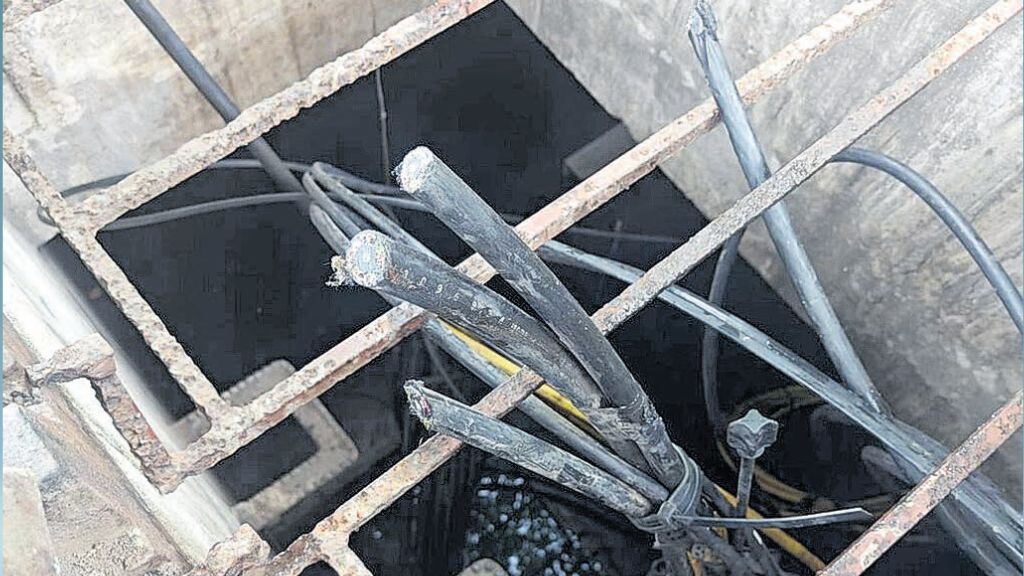
Jamaica faces a severe infrastructure security crisis as coordinated vandalism and theft against utility networks drain the nation’s economy of at least US$350 million annually, according to revelations from a recent industry webinar. This staggering figure, considered conservative by experts, exposes systematic attacks on the country’s critical electricity, water, and telecommunications infrastructure.
Telecommunications provider Digicel reported direct losses of US$3.9 million within a single year, with attackers specifically targeting critical systems. The company documented 452 battery thefts, 97 vandalized generators, 9 damaged shelters, and 290 compromised sites. According to Brithney Clarke, Digicel’s business marketing lead, perpetrators constitute a ‘mindless minority’ deliberately attacking infrastructure components—often with no functional value to them—primarily to extract scrap metal, with cabling infrastructure and lithium batteries being frequent targets.
The Jamaica Public Service Company (JPS) revealed the most substantial financial impact, estimating annual losses of approximately US$200 million from electricity theft alone. Shockingly, among Jamaica’s 1.06 million electricity users, 350,000 operate illegally without contractual relationships with JPS. Revenue security manager Jermaine Clarke explained that 26.34% of generated electricity is lost annually, with 72% of these losses classified as non-technical—meaning the energy is consumed but not commercialized due to theft. Approximately 35% of households consume electricity without meters or contracts, resulting in nearly 19.5% of all generated electricity being stolen.
This widespread theft directly contributes to Jamaica’s exceptionally high electricity costs, with residential customers paying 90% above the global average and businesses facing rates 60% higher than worldwide norms.
The National Water Commission (NWC) reported significant losses from vandalism, including US$70-80 million in damages at Goshen facilities serving Portmore and approximately US$150 million in arson-related damage at the Caymanas water facility. Regional manager Garwaine Johnson noted that vulnerable NWC facilities cannot be easily secured, leaving infrastructure exposed to repeated attacks. These incidents resulted in an average loss of six hours of water production daily over one year, translating to approximately US$2 billion in losses.
The crisis extends beyond Jamaica’s borders. Cletus Bertin of the Regional Caribbean Electric Utilities Services Corporation reported that member utilities across the region average about 20% losses in generation costs due to vandalism and theft. For a utility generating US$715 million annually, this represents approximately US$143 million in losses each year.
Bertin emphasized that financial impacts extend beyond direct losses, as utilities must increase spending on security measures, repairs, and system restoration, thereby multiplying base operating costs.
In response, utility providers are advocating for stronger legal penalties and a coordinated national response involving government agencies, law enforcement, and industry stakeholders. Proposed solutions include enhanced utility-to-utility partnerships, security intelligence sharing for high-risk zones, community-based stewardship programs, and legislative reform of the scrap metal Act to impose harsher penalties on purchasers of utility-grade materials without verified origins.
While some collaboration already exists—particularly between NWC and JPS—industry leaders stress that deeper integration and engagement with political leadership is necessary to address this escalating national security and economic challenge.