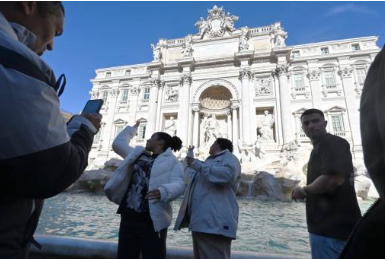
ROME, Italy — In a significant move to address chronic overcrowding and generate preservation funds, Rome’s iconic Trevi Fountain inaugurated a new ticketing system on Monday. The Baroque landmark now requires a €2 (approximately $1.68) fee for close-access viewing adjacent to the basin, creating a more manageable visitor experience while establishing a new revenue stream.
The initiative transforms the visitor dynamic at one of Italy’s most celebrated monuments, famed as the backdrop for Anita Ekberg’s immortal scene in Federico Fellini’s ‘La Dolce Vita.’ Previously, the public square faced such intense crowding that visitors struggled to properly appreciate the architectural masterpiece. Now, ticketed guests enjoy largely unobstructed views and photo opportunities within a regulated zone.
Tourist reactions have been predominantly supportive. Agata Harezlak, a 41-year-old visitor from Poland, exclaimed to AFP, ‘Tell me it’s not worth two euros! It’s worth thousands if not millions, it’s beautiful!’ British tourist Phillip Willis expressed satisfaction with obtaining quality photographs without competing with massive crowds, while also appreciating that his contribution would aid the fountain’s preservation for future generations.
According to Rome’s council member for tourism, Alessandro Onorato, the city anticipates approximately €6 million in annual revenue from the access fees. These funds will partially cover the costs of 25 stewards staffing the facility and will additionally support free museum access for Rome’s residents across the capital. A portion of earnings will continue the tradition of donating thousands of euros collected weekly from the fountain’s coin-tossing ritual to the Caritas charity.
The system isn’t without its critics. Some international visitors questioned the equity of charging Italians, while others argued the site should remain free for all. Nonetheless, city officials remain confident in the approach, with Onorato remarking that comparable global attractions would likely impose substantially higher fees.