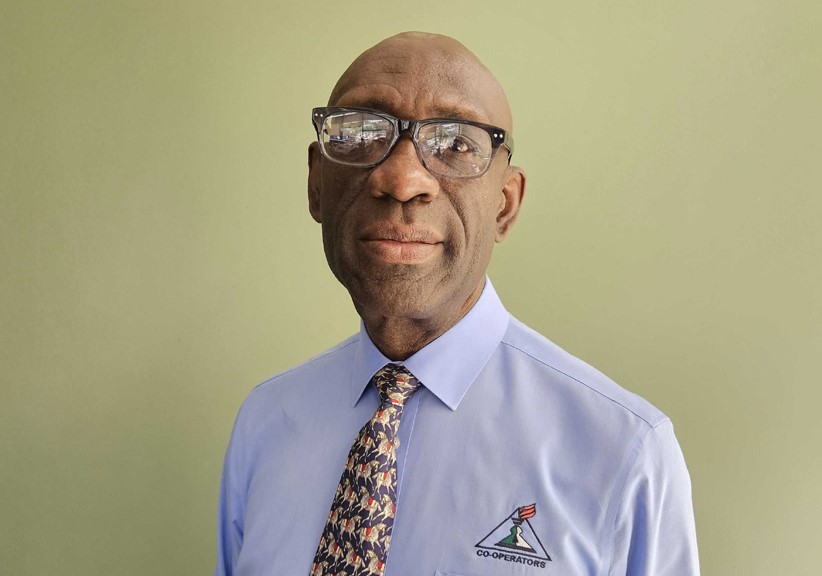
Barbados is confronting a severe road safety emergency with approximately 15 traffic collisions occurring daily, creating unsustainable financial pressures across the insurance industry and broader economy. Anton Lovell, Chief Executive Officer of Co-operators General Insurance Company, revealed his firm alone handles seven to eight accidents each day, describing the situation as critically unsustainable despite motorists’ complaints about premium costs.
The financial impact is substantial with average repair bills reaching $10,000 per incident, doubling when injuries occur. Multiplying these costs across the daily accident rate creates massive economic repercussions, particularly concerning foreign exchange reserves since most vehicle parts require importation. The crisis additionally strains medical resources at Queen Elizabeth Hospital, where accident victims contribute significantly to overcrowding and extended wait times.
A disturbing pattern emerges with 30% of accidents involving either uninsured vehicles or unlicensed drivers, creating financial devastation for innocent third parties who must cover unexpected repair and medical expenses themselves. Official police statistics from December revealed approximately 50,000 of Barbados’ 180,000 registered vehicles lacked proper insurance or tax documentation.
Lovell identified critical legislative gaps exacerbating the problem, notably the absence of laws requiring drivers to carry proof of insurance. He advocates for legislation enabling police to verify coverage during traffic stops and accident responses, including authority to impound vehicles when documentation is unavailable.
Reckless driving behaviors—including speeding, improper overtaking, distraction, and impatience—compound the crisis. Lovell noted Barbados has avoided higher fatalities ‘only by the grace of God’ given prevailing road conditions. He proposed establishing defensive driving traffic schools as alternative sentencing for traffic offenses, potentially linked to insurance incentives upon completion.
Contrary to public perception focusing on public service vehicles, Lovell emphasized that private motorists share equal responsibility for accidents. He addressed misconceptions about insurance companies, clarifying they operate as commercial entities facing similar economic pressures while striving to maintain affordable coverage through installment options.
The industry provides substantial mandatory protections—up to $10 million for individual injuries and $30 million aggregate per accident—though many motorists remain unaware of these provisions. Lovell advocated for implementing breathalyser testing alongside improved enforcement and education programs to alter the current dangerous trajectory.