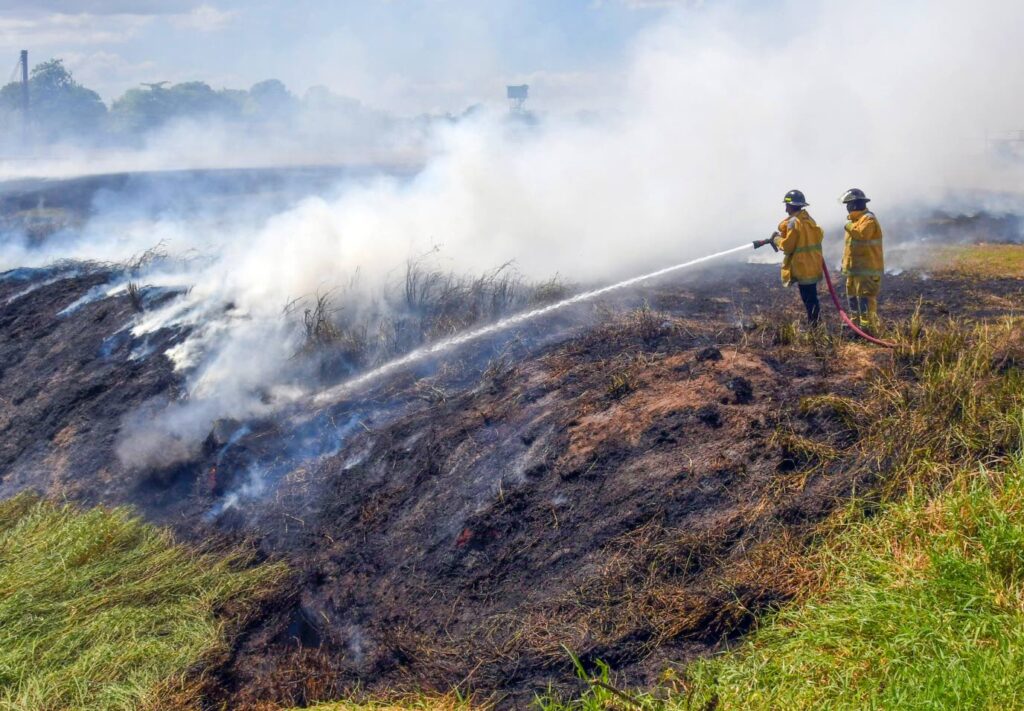
Jamaica is confronting a severe environmental and public safety crisis as official data reveals a dramatic escalation in bushfire incidents across the island nation. According to the Jamaica Fire Brigade (JFB), emergency responders tackled 5,710 bushfire cases throughout 2025, marking a substantial 26.2 percent increase from the 4,523 incidents recorded in the previous year.
Commissioner Stewart Beckford, addressing journalists through the Jamaica Information Service (JIS), emphasized that bushfires have consistently remained at critically high levels over the past four years. Human activities were identified as the primary ignition sources, including carelessly discarded cigarettes, mechanical sparks from vehicles and farming equipment, uncontrolled garbage burning, and traditional slash-and-burn agricultural practices.
Geographical analysis reveals stark regional disparities in fire prevalence. The St. Catherine division emerged as the most severely affected region, reporting 1,424 bushfire incidents alone in 2025. This continues a concerning trend from 2024, when the division accounted for 1,170 fires representing 25.8 percent of Jamaica’s total. Conversely, Portland documented the nation’s lowest occurrence with merely 54 incidents, constituting just one percent of the annual total.
The bushfire epidemic dominated emergency response operations, constituting the largest proportion of the over 20,000 emergency calls processed by the JFB last year. Commissioner Beckford’s breakdown of divisional emergency responses showed St. Catherine as the most active with 3,429 calls, followed by Westmoreland (2,428), Kingston and St. Andrew (2,110), and St. James (2,096). This data underscores the significant strain placed on Jamaica’s firefighting resources and infrastructure.