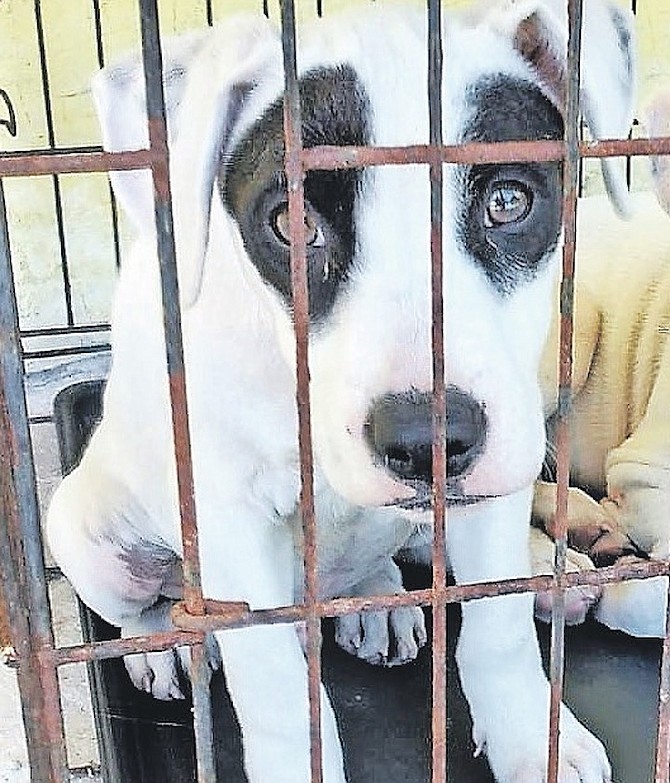
Across the Bahamas, from bustling New Providence to the tranquil Family Islands, an escalating stray dog crisis paints a stark contrast to the nation’s tourist-friendly image. Unlike wealthy nations where stray animals are rare, the archipelago struggles with pervasive packs of roaming canines that inhabit school zones, scavenge near resorts, and create public nuisance through noise, bites, and garbage disruption.
Animal welfare organizations point to a solvable problem exacerbated by systemic failures. The Bahamas Alliance for Animal Rights and Kindness (BAARK!) and the Bahamas Humane Society report unprecedented public engagement with their spay-and-neuter initiatives, having performed over 10,000 free surgeries in 2024-2025. Yet these efforts are consistently undermined by weak enforcement of existing animal welfare laws and uncontrolled backyard breeding.
According to Lisse McCombe of BAARK!, the core issue isn’t operational capability but leadership failure within the Department of Agriculture. “NGOs are funding and delivering the bulk of animal control outcomes without regulatory backing to stop irresponsible ownership and abandonment,” she stated, emphasizing that without consistent enforcement, stray populations multiply faster than charities can respond.
Kim Aranha, president of the Bahamas Humane Society, presented a viable solution: a sustained national strategy could humanely resolve the crisis within five years through expanded sterilization programs. She highlighted the mathematical urgency—spaying one female today prevents up to 2,000 dogs within three years, given reproduction rates.
On Grand Bahama, Elizabeth Burrows of the Humane Society described enforcement challenges, noting that police rarely follow up on animal welfare complaints despite existing laws against roaming dogs, uncontrolled breeding, and neglect. She additionally warned against profit-driven breeding operations that sell puppies without proper medical care.
Advocates unanimously agree that the blueprint for success exists—combining expanded sterilization services, stringent breeder licensing, and financial disincentives for unaltered pets—but requires political will and consistent leadership to implement.