KINGSTON, Jamaica — A transformative initiative is delivering crucial support to community organizations operating within Kingston and St Andrew’s most vulnerable neighborhoods. The six-month Rise & Thrive project, funded by the UK’s Foreign, Commonwealth and Development Office (FCDO) and implemented by the Council of Voluntary Social Services (CVSS), represents a strategic intervention in four Zones of Special Operations (ZOSOs) communities: Parade Gardens, Greenwich Town, Denham Town and August Town.
The program specifically addresses governance gaps that have emerged following the initial security-focused phases of Jamaica’s ZOSO framework. According to Project Manager Damion Hylton, while earlier ZOSO phases concentrated on ‘clearing and holding’ operations, the crucial ‘build phase’ requires strengthened community governance to ensure sustainable social and infrastructure development.
Rather than introducing new programs, the initiative focuses on enhancing existing community-led efforts through institutional capacity building. In close collaboration with the Social Development Commission (SDC), the project provides targeted training in governance structures, project planning, financial management, and monitoring systems. This approach enables Community Development Committees (CDCs) and other grassroots organizations to transition into formal civil society entities capable of independently accessing funding and implementing programs.
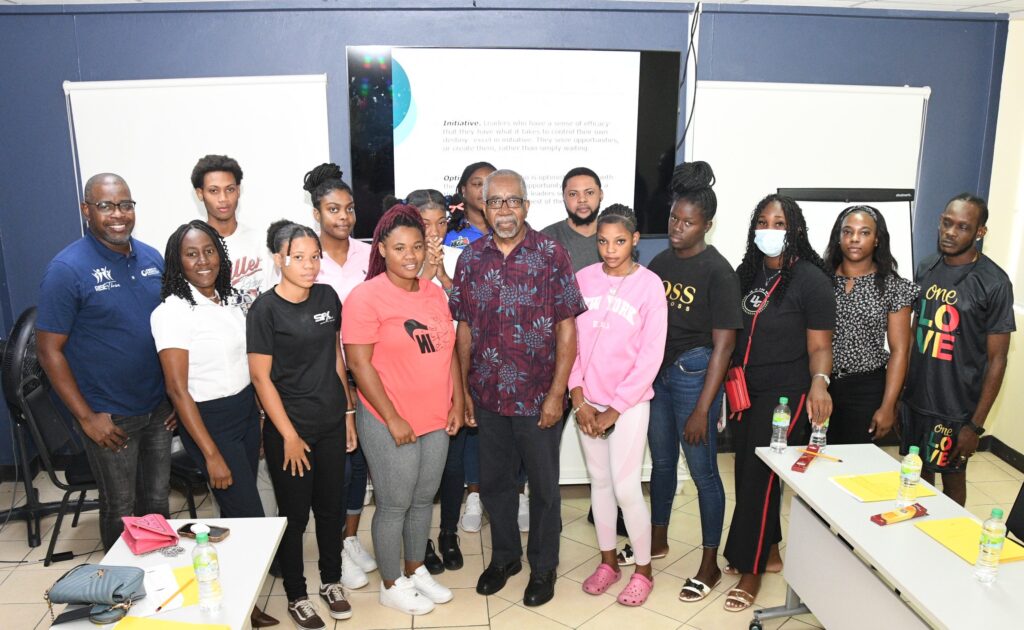
A distinctive feature of the initiative is its emphasis on youth leadership development. Recognizing that young people are both disproportionately affected by violence and statistically overrepresented in crime statistics, the program actively cultivates their participation in community decision-making processes.
The personal impact is already evident among participants. Jada Brown, a 20-year-old university student from August Town, reports that the leadership training has transformed her self-perception: ‘Being selected as a leader for change has made me feel empowered. I believe I can use what I’ve learnt to inspire other young people.’
Similarly, Hopeton Robinson of Parade Gardens has leveraged the initiative to advance youth development through a football program that successfully unites youths from previously conflicting communities.
The project incorporates peacebuilding, restorative justice, and violence interruption approaches to address various community conflicts beyond crime reduction. By the conclusion of the six-month period, communities are expected to demonstrate more active CDCs, enhanced collaboration among civil society groups, and stronger partnerships with government agencies through coordinated ‘community conversations’ that assess needs and reduce effort duplication.