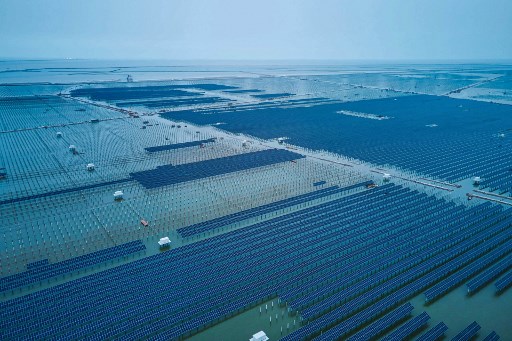
BEIJING — China’s energy landscape witnessed unprecedented transformation in 2025, with the National Energy Administration reporting simultaneous record-breaking expansions in both renewable infrastructure and fossil fuel capacity. The world’s foremost manufacturing powerhouse added 543 gigawatts of total new energy capacity—equivalent to double Germany’s entire power generation infrastructure—as it navigates competing priorities of industrial growth and environmental commitments.
The renewable sector achieved remarkable milestones with 315 gigawatts of new solar capacity and 119 gigawatts of wind installations, representing the largest annual additions ever recorded globally. This substantial clean energy deployment increased China’s total installed power generation capacity by 16.1% compared to 2024 levels. Energy analysts noted the physical scale of these installations would approximate 17,000 wind turbines and approximately 500 million solar panels throughout the year.
However, parallel expansion occurred in thermal power generation, with coal and gas capacity surging by approximately 93 gigawatts—a 75% increase over 2024 additions. This substantial fossil fuel development elevated China’s total thermal power capacity by 6.3%, creating a complex energy landscape where clean energy advances coincide with persistent carbon-intensive infrastructure growth.
Lauri Myllyvirta, lead analyst at the Centre for Research on Energy and Clean Air, characterized the deployment pace as ‘two wind turbines per hour, and solar panel surface area covering 20 football fields per hour.’ While acknowledging these renewable additions would ‘help replace power generation from fossil fuels well into next year,’ Myllyvirta warned that concurrent coal and gas plant expansions risk creating ‘plummeting utilization rates and new obstacles to clean energy integration.’
This energy development occurs against China’s stated climate targets: peaking carbon emissions by 2030, reducing them by at least 7% by 2035, and achieving carbon neutrality by 2060. The simultaneous expansion of renewable and fossil fuel capacity reflects the challenges facing the world’s largest greenhouse gas emitter as it balances economic growth demands with environmental responsibilities.