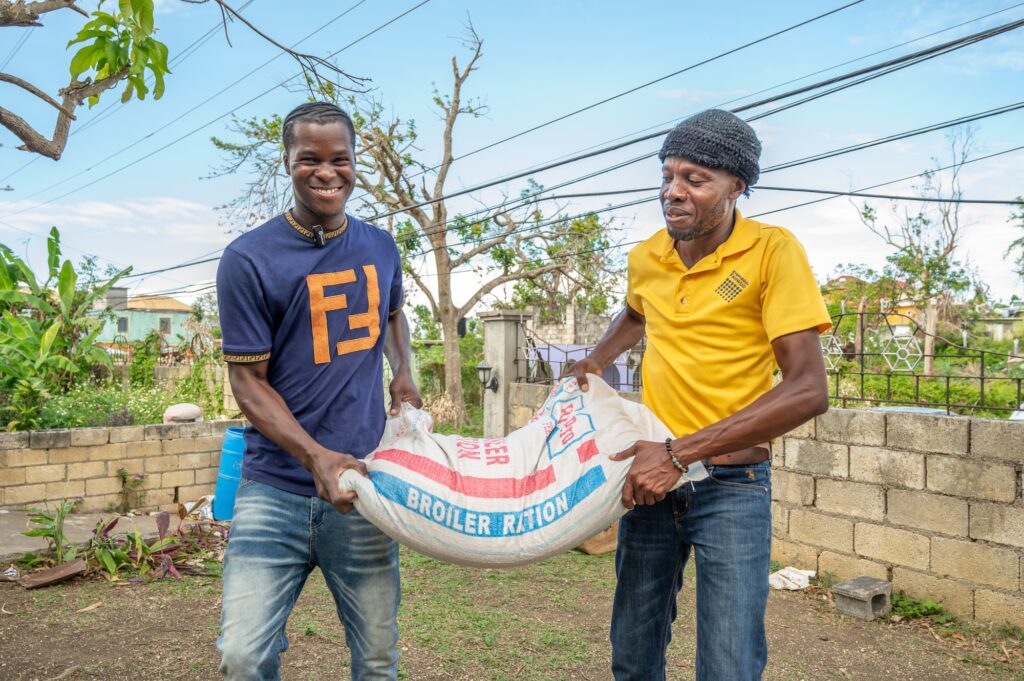
KINGSTON, Jamaica – In a strategic pivot from emergency relief to sustainable recovery, Project STAR has launched its comprehensive Business Re-start Initiative to assist micro and small entrepreneurs in rebuilding their livelihoods across Jamaica’s most hurricane-devastated communities. The program represents a significant shift toward long-term economic stabilization following the widespread destruction caused by Hurricane Melissa.
The initiative has commenced by distributing grants to nine businesses spanning critical sectors including poultry farming (encompassing both egg and chicken production), beauty services (barbers, hairstylists, nail technicians, and eyelash technicians), and a cleaning supplies manufacturing enterprise. These funds are specifically allocated for replacing damaged equipment, replenishing destroyed inventory, and resuming daily operations.
According to Saffrey Brown, Director of Project STAR, the organization has consciously transitioned from immediate disaster response to addressing sustainable economic recovery. “Our relief efforts have now evolved toward revitalizing livelihoods and reactivating entrepreneurial activities,” Brown stated. “The hurricane completely obliterated equipment and stock for most business owners in these vulnerable communities.”
The program is initially targeting the western parishes of Westmoreland, St Elizabeth, and St James—regions that suffered the most severe hurricane impacts. These areas have experienced substantial micro-enterprise losses, exacerbating economic fragility in already disadvantaged communities. Brown emphasized the program’s adaptive approach, noting that strategies will evolve based on emerging needs.
Early beneficiaries have reported transformative impacts. Levario White, a barber from Salt Spring, St James, described receiving his second grant as “critical to recovery,” expressing excitement about business improvement prospects. Beauty service providers like hairdresser Amisha Wright highlighted how the support arrived at a crucial juncture, enabling her to upgrade equipment and attract more customers. Wright revealed aspirations to pursue professional certification and eventually establish a salon chain.
For poultry farmer Nickoy Brady, also from Salt Spring, the storm destroyed his coop and killed numerous chickens, paralyzing his livelihood. Project STAR’s intervention provided what he called “a lifeline,” allowing him to restart operations and restore family income. “This support means everything—it’s how I provide for my family,” Brady shared.
Project STAR is prioritizing entrepreneurs who previously completed the organization’s entrepreneurship training, particularly those involved in food security sectors. “Accelerating community self-sufficiency in food production is absolutely essential,” Brown explained regarding this strategic focus.
The organization plans to progressively expand the initiative over coming weeks and months, with ambitions to directly support at least 300 micro and small entrepreneurs through grants, tools, materials, and mentorship. Broader objectives include reactivating local value chains across food, craft, services, and manufacturing sectors while promoting disaster-resilient business models and strengthening local economic networks.
As Jamaica progresses beyond the immediate emergency phase, Project STAR maintains its commitment to income generation and long-term community resilience. Brown confirmed the organization’s sustained focus on “revitalizing existing enterprises and supporting new entrepreneurs requiring alternative income sources” through the Livelihood Re-start Initiative, ultimately aiming to rebuild economic security and enhance community resilience in Hurricane Melissa’s aftermath.