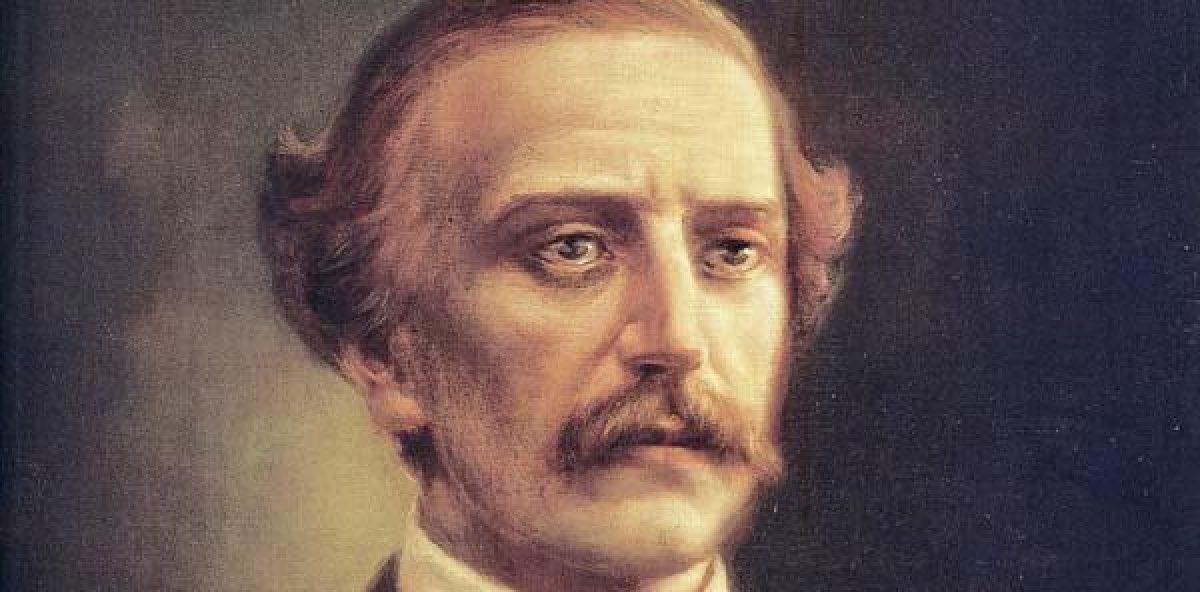
On the anniversary of patriot Juan Pablo Duarte’s birth, historical revelations emerge about the tragic exile of the Dominican Republic’s principal independence architect. Despite dedicating his youth, fortune, and ultimately his life to the patriotic cause, Duarte drew his last breath far from the nation he helped create.
Wilson Gómez, president of the Duartian Institute, provides crucial insight into the political circumstances that prevented the revolutionary leader from returning to his homeland. Historical records indicate that following Duarte’s 1864 attempt to join the Restoration War, the governing administration denied him permission to remain on Dominican soil. Instead, officials compelled his return to Venezuela under the guise of a diplomatic appointment as minister plenipotentiary.
Gómez reveals that Duarte’s multiple exiles resulted from systematic political persecution—first in 1843 under Haitian President Charles Hérard’s repression, then in 1844 by General Pedro Santana’s actions, and ultimately by the Restoration Government’s 1864 decision. Santana particularly targeted Duarte and the Trinitarians, branding them traitors for their unwavering commitment to national sovereignty and resistance to foreign domination.
The Dominican liberals, led by Duarte, maintained principles of political integrity, religious faith, and trust in their people that directly contradicted the conservative establishment’s agenda. Between 1844 and 1864, authoritarian regimes, corruption, and persistent insecurity created insurmountable barriers to Duarte’s reintegration into national life.
Contrary to popular belief, Gómez clarifies that Duarte’s exile, while difficult, wasn’t marked by extreme poverty or defeat. Evidence suggests the revolutionary maintained business acumen, with his family owning property in central Caracas and living with dignity. Historical accounts document Duarte’s commercial activities along Venezuela’s eastern coasts and inland waterways, including expeditions along the Orinoco and Negro Rivers toward Brazilian borders.
Portuguese missionary Sanjení reportedly encountered Duarte on the Rio Negro in 1857, while historians believe the patriot learned of his mother’s 1858 death and his 1848 amnesty declaration during his Venezuelan years. Despite political betrayals and capitulations, Duarte’s ideals of sovereignty continue to inspire Dominican leaders 182 years after the republic’s foundation.