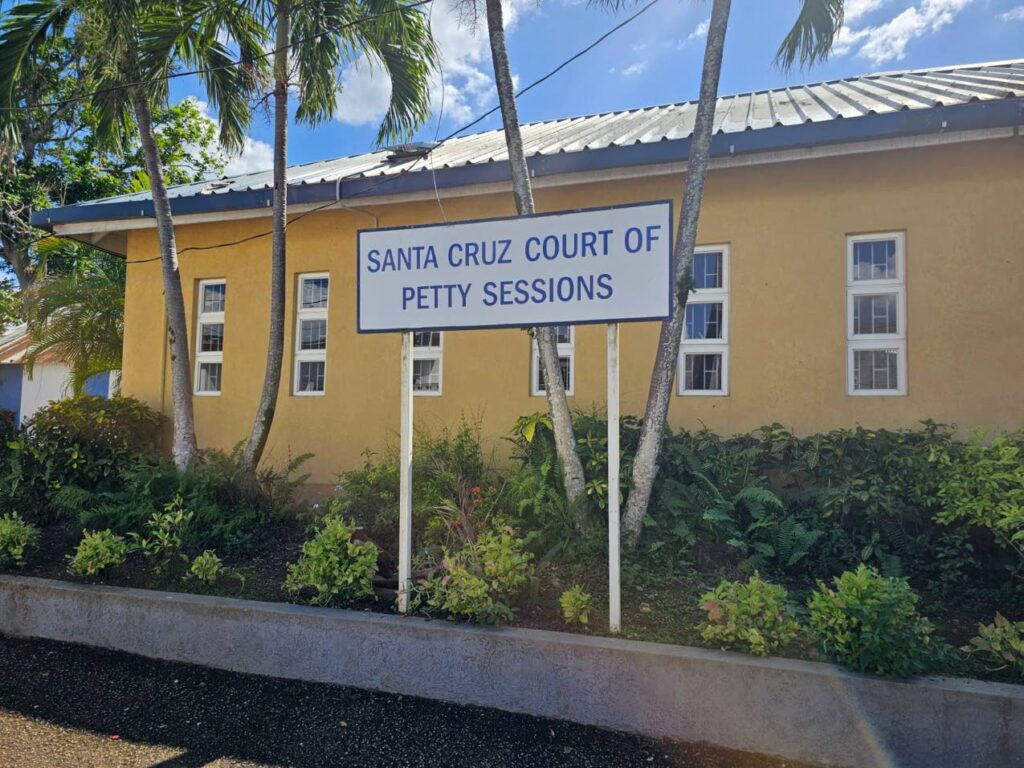
Court employees in Santa Cruz, St Elizabeth, are voicing grave concerns over inadequate security provisions and a severe water shortage at their temporary workplace. The staff was relocated from their original Black River courthouse following the devastating impact of Hurricane Melissa, a Category 5 storm that struck Jamaica on October 28, 2025. The hurricane caused extensive damage to critical infrastructure in Black River, including the complete destruction of the courthouse, alongside hospitals, schools, and commercial buildings.
Despite the move to a facility behind the Santa Cruz Police Station on Coke Drive, intended to minimize delays in judicial services, employees report feeling vulnerable and unsupported. Their anxieties were sharply heightened by a recent security breach where an individual entered the office and forcibly seized a box of legal files. Staff intervened to recover the documents, and the perpetrator was subsequently detained by police. This incident has underscored the palpable lack of permanent security personnel, with police patrols provided only sporadically following the event.
Compounding the security fears is a critical lack of running water, which has rendered restrooms unusable and forced staff to resort to collecting water in buckets for basic sanitation. Employees, who spoke on condition of anonymity, expressed frustration that their repeated appeals to administrators for solutions have yielded no tangible improvements.
The situation in Santa Cruz reflects a broader national issue highlighted by Chief Justice Bryan Sykes. He has consistently criticized the dilapidated state of court buildings across Jamaica. In recent pointed remarks, Justice Sykes questioned the government’s commitment to judicial infrastructure, noting a conspicuous silence regarding plans to repair or reconstruct courthouses demolished by Hurricane Melissa, particularly in western parishes like St Elizabeth and Westmoreland. He emphasized that the rebuilding of critical justice infrastructure appears to be treated as a matter of low priority, despite official rhetoric about creating more resilient communities.