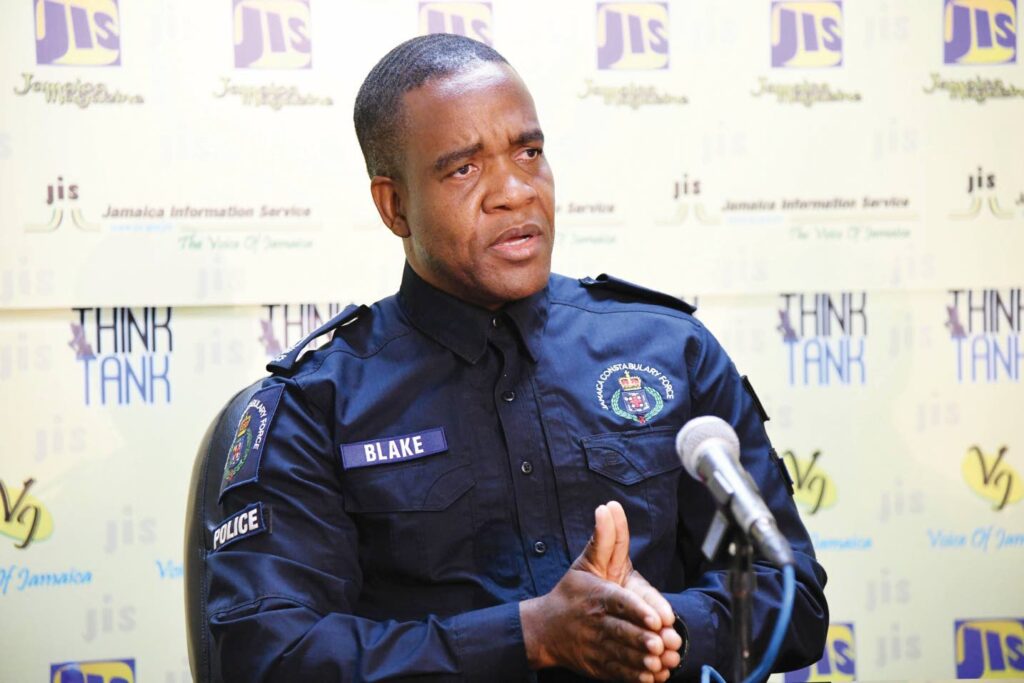
KINGSTON, Jamaica — Jamaica’s top law enforcement official has launched a vigorous defense of the police force’s body-worn camera initiative, categorically rejecting allegations of institutional resistance as deliberate falsehoods designed to mislead the public.
Police Commissioner Dr. Kevin Blake, in a sharply worded editorial published in the Jamaica Constabulary Force’s (JCF) weekly Force Orders, expressed growing concern about what he characterized as coordinated efforts to create distorted narratives surrounding the implementation of the body-worn camera (BWC) program. The commissioner specifically addressed criticisms emerging in discussions about police-involved fatal shootings.
“I acknowledge those who build careers and reputations through dismantling institutional credibility and propagating negative stories,” Blake stated. “Our systematic approach will ultimately deprive them of the adverse coverage they depend on.”
Blake revealed that while he initially attempted to address misconceptions diplomatically, the persistent circulation of inaccurate information necessitated a more direct response. “Although I typically prefer diplomatic engagement, circumstances now demand unambiguous confrontation of these falsehoods,” he explained.
At the heart of the controversy lies critics’ long-standing assertion that infrastructure deficiencies have delayed full BWC deployment. The commissioner firmly refuted this claim, revealing that the necessary digital infrastructure has been operational since 2023, with current efforts focused exclusively on equipment procurement and strategic distribution.
The police leader referenced his previous public briefings, including an interview where he announced the JCF’s advanced procurement stage for 1,000 cameras. These units were delivered within weeks and have been largely deployed, with acquisition processes now underway for an additional 1,000 devices.
Blake suggested that the perpetuation of false narratives serves particular interests rather than genuine public concern. “Maintaining the fiction of JCF resistance to body-worn cameras reinforces certain commentators’ relevance while concealing their inadequate understanding of actual circumstances,” he remarked.
The commissioner positioned the BWC debate within broader criticism of what he described as an ‘economy of commentary’ that profits from portraying the police force as reform-resistant. He simultaneously dismissed claims that recent crime reduction resulted from improper police conduct, emphasizing that numerous firearm-related arrests occur annually without lethal force.
Concluding his statement, Blake called for redirected public discourse, urging advocacy groups to join appeals encouraging armed criminals to avoid confronting police officers. He additionally offered reassurances to frontline officers, promising unwavering leadership support for those operating within legal boundaries while protecting public safety.