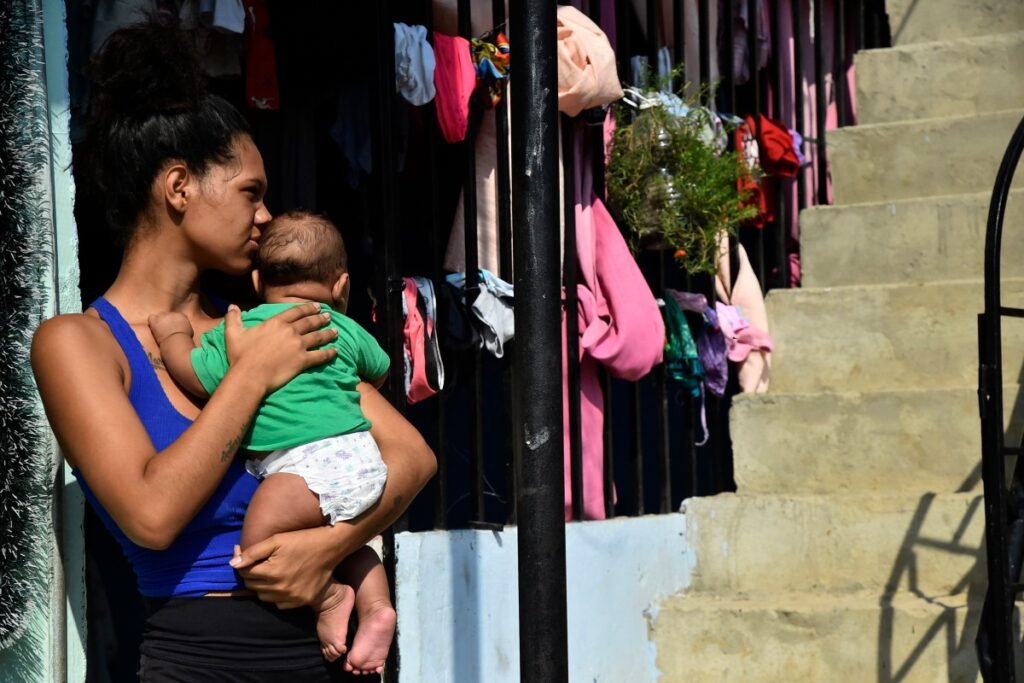
LA FORTALEZA, Colombia — Venezuelan migrants who escaped their nation’s profound economic collapse are confronting a harsh reality in Colombia’s border regions, yet many assert these conditions surpass the desperation they left behind. Families like that of Franklin Petit, who arrived in 2018, now inhabit a self-constructed settlement in La Fortaleza, an area notorious for gang warfare and illicit drug operations.
The initial euphoria that followed the January 3rd U.S.-backed move to oust authoritarian President Nicolas Maduro has largely faded. Residents now express a pragmatic recognition that Venezuela’s deep-seated crises will not be resolved swiftly, despite the political upheaval. With Maduro’s inner circle retaining influence and Washington’s contentious claim on Venezuelan oil assets, the future remains deeply uncertain.
Life in La Fortaleza is fraught with danger, dominated by violent conflicts between guerrilla factions like the ELN and Frente 33 and the Tren de Aragua cartel. Fear of retaliation silences open discussion of the violence. Yet, for many, this perilous environment is preferable to the extreme poverty and political oppression in Venezuela, which has driven over eight million people to emigrate in the past decade.
Personal narratives underscore this tragic choice. Imer Montes, 43, aspired to reach the United States but found himself stranded in La Fortaleza without funds or documentation. For Nellisbeth Martinez, wife of Franklin Petit, memories of the ‘extreme poverty’ and hunger that forced their exodus still provoke emotional distress. Their primary motivation is securing education and opportunity for their children, exemplified by their 11-year-old daughter Frainellys, who is thriving in school—a prospect unimaginable in their former home near Lake Maracaibo.
Luisana Serrano, a former nursing aide now working as a baker, embodies the struggle for sustenance. She recounted a time in Venezuela where her husband’s weekly wage could only purchase a single day’s food. Now in Colombia, her enlarged family of nine reliably eats three meals daily. While grateful for U.S. intervention, she maintains a cautious hope that meaningful change, though delayed, is inevitable for her homeland.