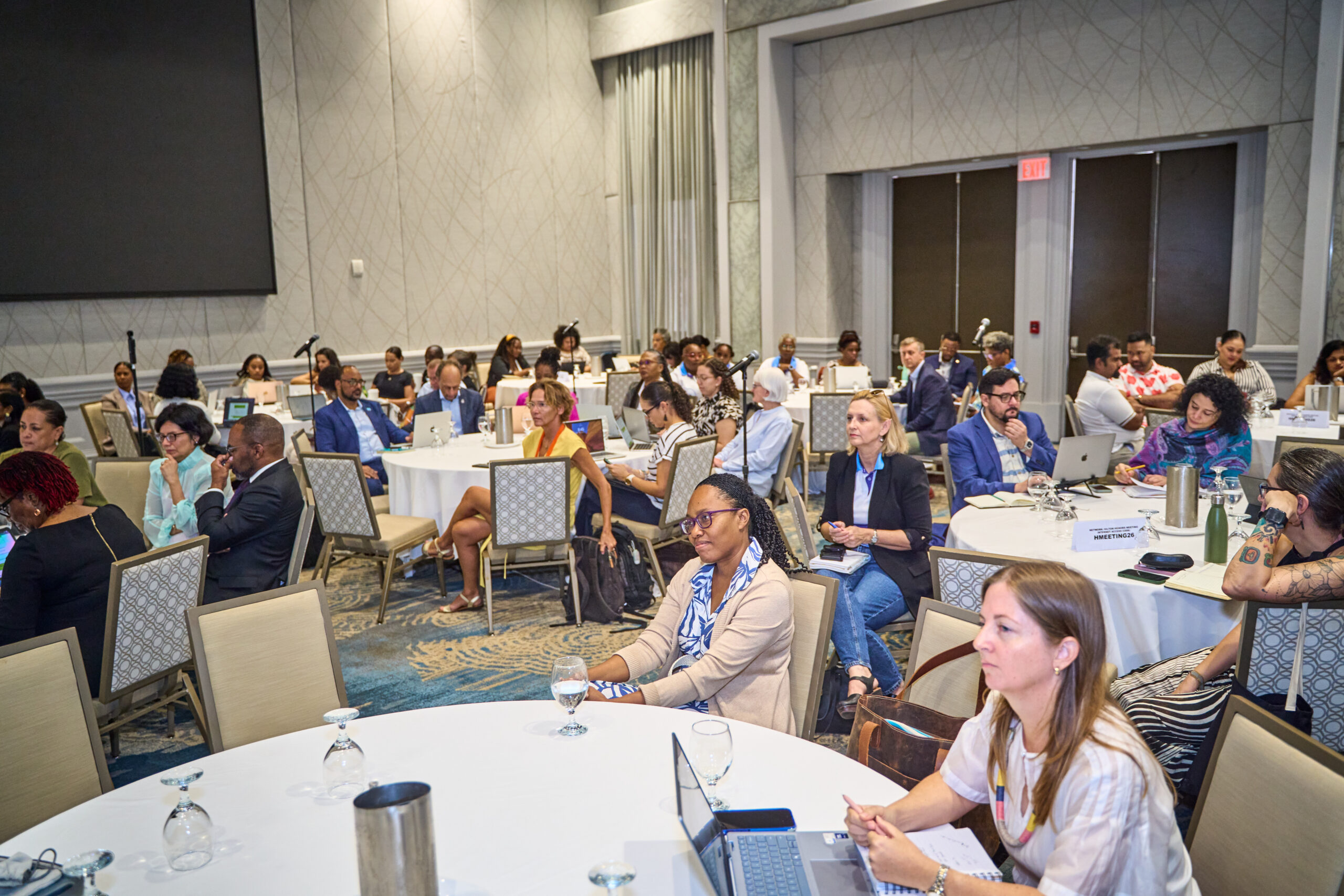
At the opening of a pivotal regional forum in Barbados, Caribbean leaders issued a powerful call for concrete strategies to achieve climate justice, emphasizing the urgent need for approaches that can endure major geopolitical disruptions. Cletus Springer, Chair of the Caribbean Natural Resources Institute (CANARI), set the tone for the two-day CANARI Partners Forum, declaring the gathering a forum for “strategic action” rather than theoretical discussion. The event, themed ‘Towards climate justice in the Caribbean: building understanding and catalysing partnerships and finance,’ brings together regional and international stakeholders to address climate change as a critical development and human rights priority. Springer framed the discussions against a backdrop of what he termed “truly seismic geopolitical upheaval,” warning that the rapid erosion of the global multilateral system threatens to marginalize small island states. He posed a central challenge to delegates: “How do we advance a climate justice agenda that is robust enough to survive current and future geopolitical shocks?” The CANARI chair highlighted the escalating climate impacts across the region, including increasing extreme weather events and a developing drought in the Eastern Caribbean that’s expected to extend well into the traditional rainy season. These impacts, he noted, validate regional leaders’ characterization of climate change as “an existential threat to the sustainable development of the Caribbean.” Springer underscored the “profound unfairness” of the global climate system where those least responsible for greenhouse gas emissions bear the greatest burden. He emphasized that climate justice must address structural power imbalances and move beyond technical solutions to confront root causes of vulnerability amplified by factors including gender, race, and poverty. The forum represents a significant effort to develop practical approaches that protect vulnerable livelihoods while challenging the systemic inequalities that exacerbate climate injustice.