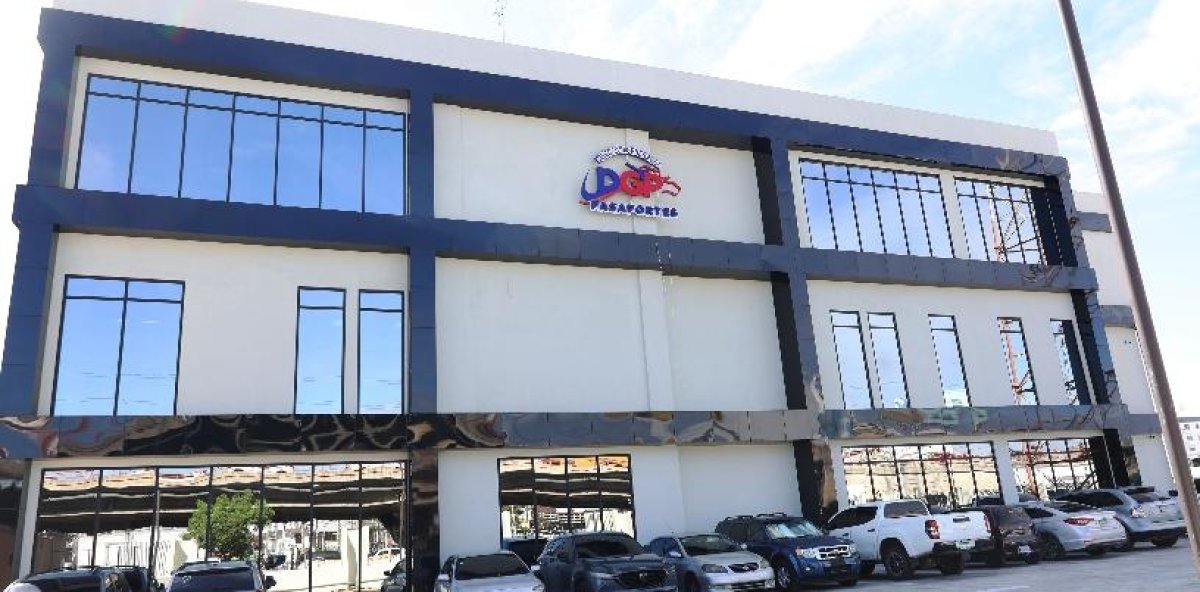
The Dominican Republic’s rollout of its advanced electronic passport system has generated overwhelming public response, with appointment slots filling rapidly just one day after the application process commenced. According to Rocío Quirós, Communications Director at the General Directorate of Passports (DGP), the newly launched system witnessed substantial citizen engagement since its activation on Thursday, February 15.
The initial phase caters to multiple applicant categories: first-time passport seekers, individuals with expired documentation, those whose passports expire within six months, and persons requiring replacement due to loss or damage. Physical document processing is scheduled to begin February 19 at the DGP’s central headquarters on John F. Kennedy Avenue in the Los Prados sector.
Quirós clarified that operations currently remain centralized at the main office, with nationwide implementation planned through a gradual expansion strategy. The administration aims to achieve complete coverage across the National District by June.
The next-generation passport introduces groundbreaking features, including a repatriation service providing up to $9,000 coverage for citizens who die abroad. With over 130 sophisticated security elements—such as invisible inks, microtext, and optically variable imagery—the document meets international standards for modern immigration control systems.
Priced at RD$6,700 (representing a RD$1,050 increase from previous rates), the new passports offer extended validity periods:十年 for adults and five years for minors under 18. During the transition period, both mechanical (current) and electronic passports will remain valid until the renewal process completes nationwide, which officials anticipate may require several years.
Regarding institutional changes, the DGP’s former headquarters on George Washington Avenue will continue serving as an operational center following renovations to enhance customer service facilities. Portions of the administrative space have been reallocated to the Directorate of Migration Control, previously co-located within the same building.