The mountainous region of Perquín, once the operational nerve center for the Farabundo Martí National Liberation Front (FMLN) during El Salvador’s civil conflict, now serves as both memorial and testament to the nation’s turbulent past. This strategic territory, celebrated for its historical resistance, has transformed into the symbolic heart of El Salvador’s Peace Route—a physical journey through sites of remembrance and reconciliation.
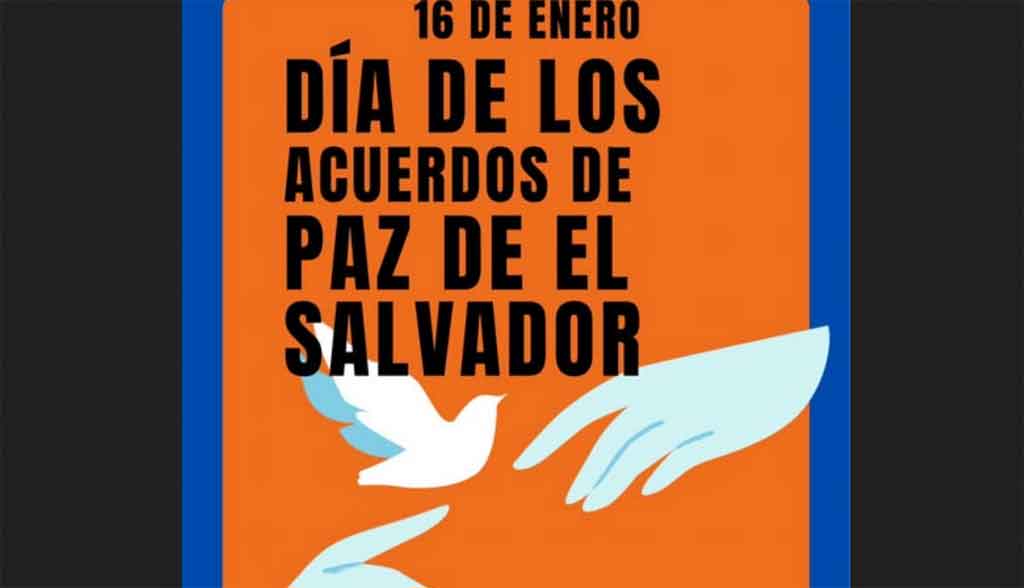
The upcoming commemoration ceremony at this former guerrilla stronghold underscores the enduring significance of the Chapultepec Peace Accords. Signed in 1992 at Mexico’s historic Chapultepec Castle, these agreements formally ended twelve years of armed conflict yet remain subject to competing historical narratives. While some political factions advocate for forgetting, others work diligently to preserve the accords’ legacy within the national consciousness.
Central to this historical preservation is the damning evidence contained within the United Nations-backed Truth Commission’s landmark report, titled ‘From Madness to Hope: The Twelve-Year War in El Salvador.’ Published on March 15, 1993, the document meticulously cataloged atrocities committed during the power struggle, including substantial evidence of United States financial and military support for government forces responsible for massacres.
The conflict’s human toll remains staggering, with documented deaths and disappearances exceeding 75,000 civilians and combatants. This tragic legacy finds physical representation at the Monument to Memory and Truth in San Salvador’s Cuscatlán Park—a solemn wall inscribed with approximately 30,000 names of confirmed victims, standing as permanent witness to one of Latin America’s most brutal civil wars.