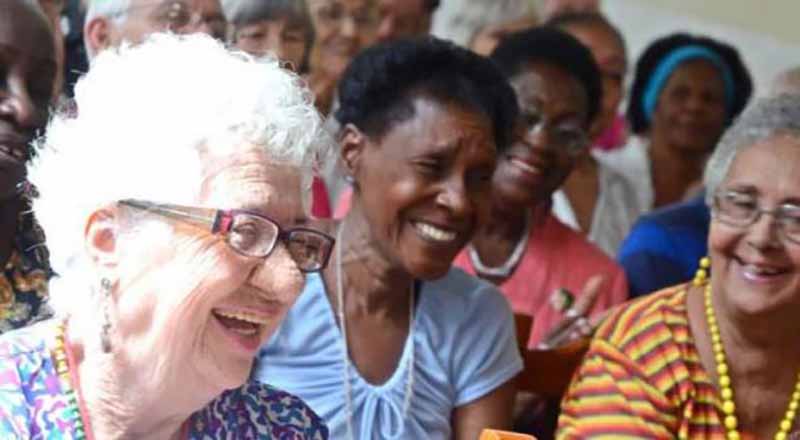
Cuba is experiencing a profound demographic transformation, establishing itself as one of the world’s most rapidly aging societies. Recent data from the National Office of Statistics and Information (ONEI) reveals that the Caribbean nation now demonstrates higher aging rates than several European countries traditionally associated with elderly populations, including Italy (24.1%), Bulgaria (23.8%), Finland (23.4%), Greece (23.3%), and Croatia (23.0%).
The report, titled “Population Aging, Cuba and its Territories 2024,” employs a comprehensive methodology that calculates the effective population. This approach incorporates all individuals born within the country during a calendar year, plus permanent residents who have accumulated 180 days or more of stay in Cuba within the past 365 days, excluding those who have died.
Significant regional disparities exist across the island. Villa Clara province in central Cuba records the highest aging rate at 29.1 percent, followed closely by the capital Havana at 28.1 percent. In contrast, Guantánamo province in eastern Cuba maintains the lowest rate at 22.5 percent.
At the municipal level, Plaza de la Revolución in Havana emerges as the area with the oldest demographic profile at 36.8 percent, while Yateras in Guantánamo province maintains the youngest population structure at 17.1 percent.
A particularly telling metric reveals the scale of Cuba’s demographic inversion: the ratio of population aged 60 and over to those under 15 reached 1,625 older adults for every 1,000 children and young people aged 0-14 by the end of 2024. This ratio has increased by 247 points compared to the previous year, highlighting the accelerating pace of Cuba’s population aging.