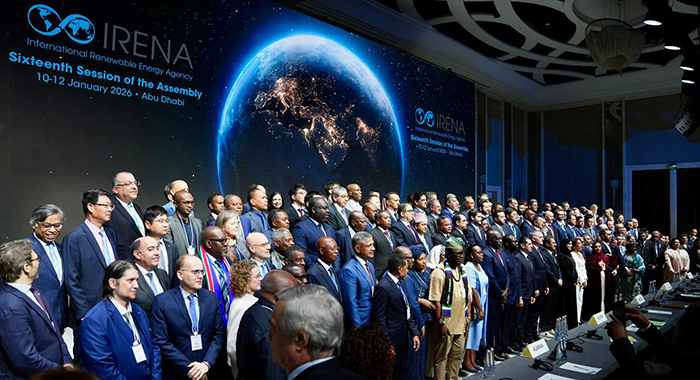
ABU DHABI, UAE – The 16th International Renewable Energy Agency (IRENA) Assembly commenced with a powerful emphasis on the Caribbean’s critical role in the global renewable energy transition. Dominican Republic’s Minister of Energy and Mines, Joel Santos Echeverría, presiding over the assembly, outlined a results-driven agenda focused on tangible benefits for vulnerable regions.
Echeverría, addressing attendees virtually, highlighted the strategic importance of energy transition for Caribbean nations. He noted that climate change vulnerabilities—including hurricanes, extreme weather events, and sargassum accumulation—pose serious threats to energy security and economic stability. However, he emphasized the region’s vast renewable energy potential and opportunities for innovative solutions, such as converting sargassum into energy through technological research.
The Dominican Republic’s presidency will prioritize integrating emerging energy technologies into IRENA’s agenda, promoting artificial intelligence and digital solutions for enhanced planning and resource mobilization. The assembly’s theme, “Powering Humanity, Renewable Energy For Shared Prosperity,” reflects a collective aspiration for equity and shared wellbeing through energy transition.
Echeverría reaffirmed commitments to triple renewable energy capacity and double energy efficiency by 2030, emphasizing accessible financing and technical assistance. He stressed that shared prosperity requires international solidarity and cooperation, particularly for small island developing states.
IRENA Director-General Francesco La Camera reported record participation with 1,524 attendees from 139 countries and the EU. He described the current energy transformation as “unstoppable,” noting that 92% of new power capacity installed in 2025 was renewable. La Camera emphasized that renewables have become the most competitive electricity generation method, offering economic, resilience, and stability advantages over fossil fuels.
The assembly occurs amid significant global challenges, including the recent U.S. withdrawal from numerous international organizations. Both leaders emphasized that renewable energy transition is no longer aspirational but an immediate necessity for climate resilience, energy security, and economic stability worldwide.