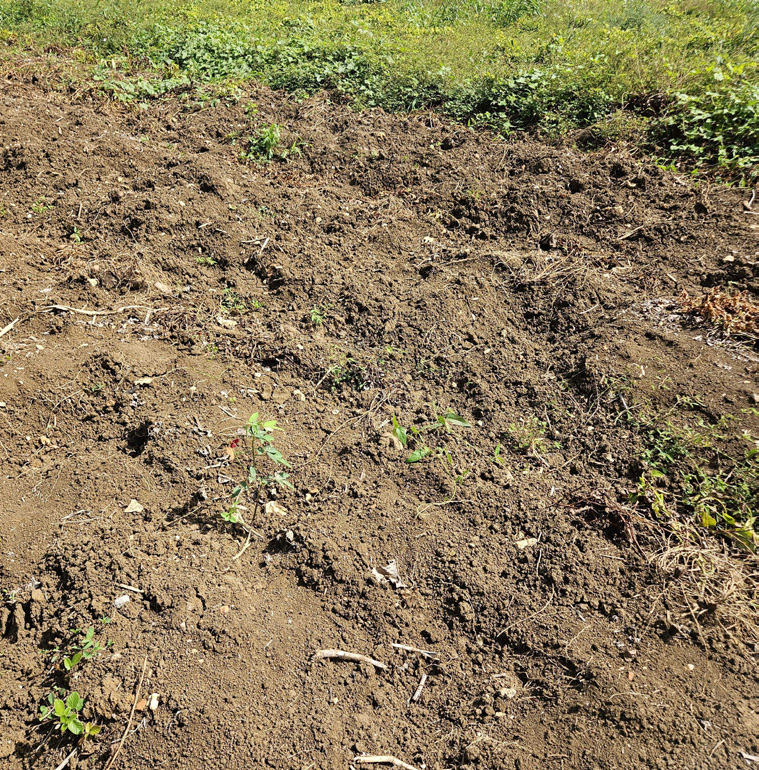
Prominent Barbadian agricultural producer Richard Armstrong has reached a critical juncture in his decades-long farming career, announcing plans to significantly scale back crop cultivation following massive organized thefts targeting his operations. The owner of Armag Farms revealed that thieves systematically stole approximately 15,000 pounds of yams from his St. John fields in recent weeks, with at least 3,000 pounds disappearing in a single night.
The Christmas period brought an alarming escalation in what Armstrong describes as ‘commercial crop theft’ rather than petty larceny. ‘These people are making a living off of it,’ he emphasized, noting the sophisticated nature of the operations that have pushed his farming enterprise to the brink of sustainability. The thefts have forced Armstrong into difficult security decisions, juggling limited protection between his yam fields in St. John and sweet potato crops in St. Philip.
Financial analysis reveals the staggering cost of security measures, with annual expenses approaching $80,000 including private security firms—a burden that cannot be passed to consumers given stagnant pricing structures. ‘We are price takers, not price setters,’ Armstrong explained, noting that potatoes currently sell at roughly the same price as forty years ago despite significantly increased production costs.
The psychological impact has been profound, with Armstrong describing decades of nightly anxiety about crop losses as ‘exhausting and demoralizing.’ He criticized the lack of enforcement regarding produce sales legislation, noting that receipt requirements exist on paper but remain unimplemented. The farmer also questioned why the Barbados Defence Force hasn’t been deployed as a deterrent, citing Jamaica’s successful use of military personnel to combat agricultural theft.
Armstrong warned that continued inaction threatens national food security, as large-scale producers reconsider their operations. With lower yam yields expected due to severe drought conditions in August and September, the coming year presents particularly challenging circumstances for Barbadian agriculture.