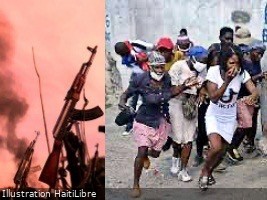
The Lower Artibonite region of Haiti continues to grapple with a deteriorating security situation as a series of coordinated armed attacks have triggered significant population displacements and created severe humanitarian challenges. Following earlier violence in Pont-Sondé on November 29 and L’Estère on December 1, the commune of Montrouis experienced renewed hostilities between December 23-25 when armed groups targeted the 1st section of Délugé. The Canaan gang specifically attacked the locality of Piâtre, burning numerous homes and intensifying pressure on already strained host communities.
According to the International Organization for Migration, approximately 1,120 individuals have been displaced by the recent violence, with all affected persons finding refuge with host families primarily in neighboring areas and the city of Saint-Marc. The Communal Section Administrative Council and General Directorate of Civil Protection report that most displaced persons are concentrated in surrounding localities including Rozo, Aymé, and Dipen. However, humanitarian access remains severely constrained as roads to these areas are subject to ongoing armed attacks and remain extremely dangerous for travel.
The security environment remains highly volatile, particularly impacting humanitarian operations throughout the Saint-Marc commune. National Road #1, a critical transportation artery, remained impassable at Montrouis as of January 6 due to security concerns. These access constraints have significantly hampered rapid humanitarian response efforts, limiting the ability of aid workers to reach affected populations and maintain essential services.
The General Directorate of Civil Protection in Artibonite, with support from the UN Office for the Coordination of Humanitarian Affairs, is actively monitoring the situation through existing coordination mechanisms established for the Lower Artibonite region. The continued violence highlights the persistent security challenges facing Haiti and the growing humanitarian needs of vulnerable populations caught in conflict-affected areas.