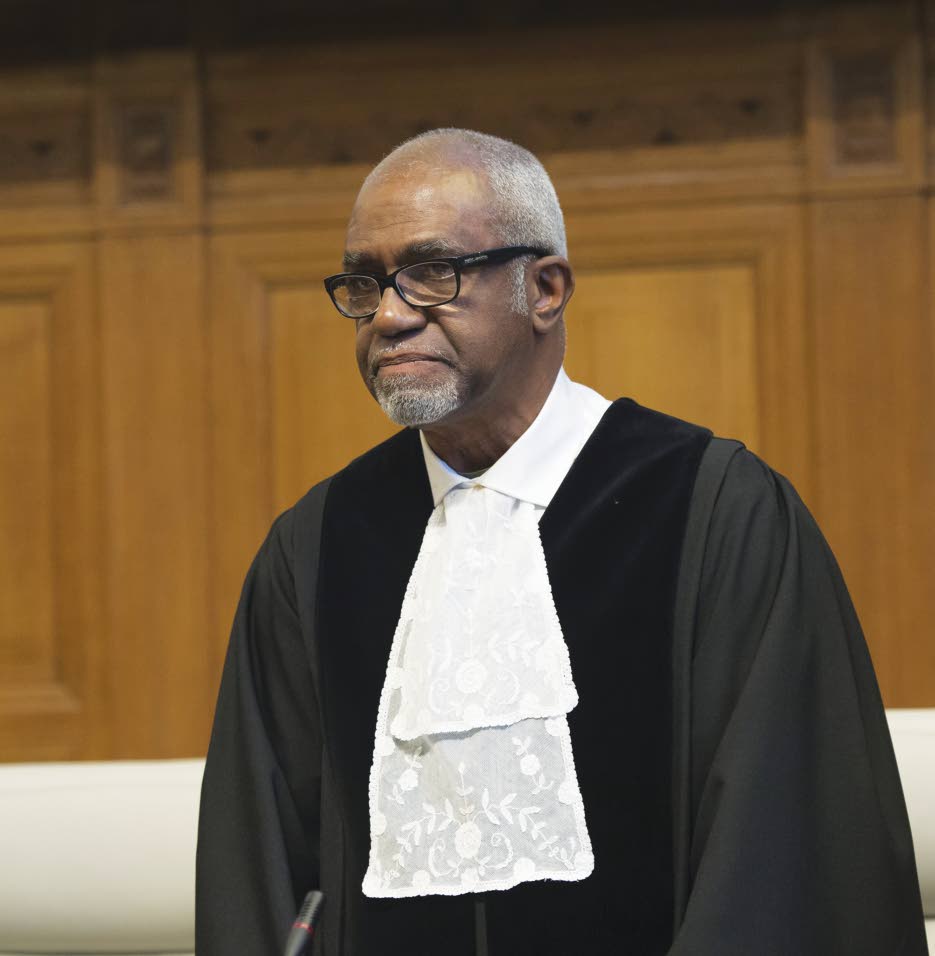
A significant constitutional debate has erupted within Jamaica’s legal community following controversial remarks by distinguished jurist Patrick Robinson regarding appellate court authority over judicial decisions. The former International Court of Justice judge recently advocated for eliminating what he termed “a legal oddity” – the ability of Jamaica’s Court of Appeal to overturn rulings made by the Chief Justice.
Robinson’s position, articulated in a January 2026 Sunday Gleaner column, emerged from his analysis of Jamaica’s 2025 appellate court decision to quash a murder conviction originally presided over by Chief Justice Bryan Sykes. The appellate court had determined that Justice Sykes had “descended quite extensively into the arena” during proceedings, improperly eliciting evidence that should have remained the prosecution’s responsibility.
In response, prominent defense attorney Peter Champagnie, King’s Counsel, has characterized Robinson’s proposal as both “a misstep” and “retrograde,” despite expressing profound respect for Robinson’s legal expertise. Champagnie maintains that appellate review of judicial decisions represents a crucial “peer review” mechanism essential to maintaining judicial integrity within democratic systems.
The attorney specifically referenced the Judicature (Appellate Jurisdiction) Act, highlighting provisions that ensure the Court of Appeal’s independence from the Chief Justice’s office. Section 3(1)(b) stipulates that while the Chief Justice may participate in appellate panels, this requires invitation from the court president and the presence of at least four other judges.
The controversy centers on the case of Conroy Stephenson, whose murder conviction was overturned in December 2025. Stephenson had been sentenced to 16 years imprisonment in 2019 for a fatal shooting in Seaview Gardens. The Appeal Court determined that extensive judicial intervention during witness cross-examination had denied Stephenson a fair trial, resulting in both overturned conviction and acquittal without retrial.
Champagnie clarified that while judicial questioning during trials is permissible for clarification purposes, judges must avoid descending into the adversarial arena by conducting what effectively becomes cross-examination on behalf of either prosecution or defense. This distinction between appropriate judicial inquiry and improper advocacy forms the crux of the current legal discourse surrounding judicial conduct and appellate oversight in Jamaica’s justice system.