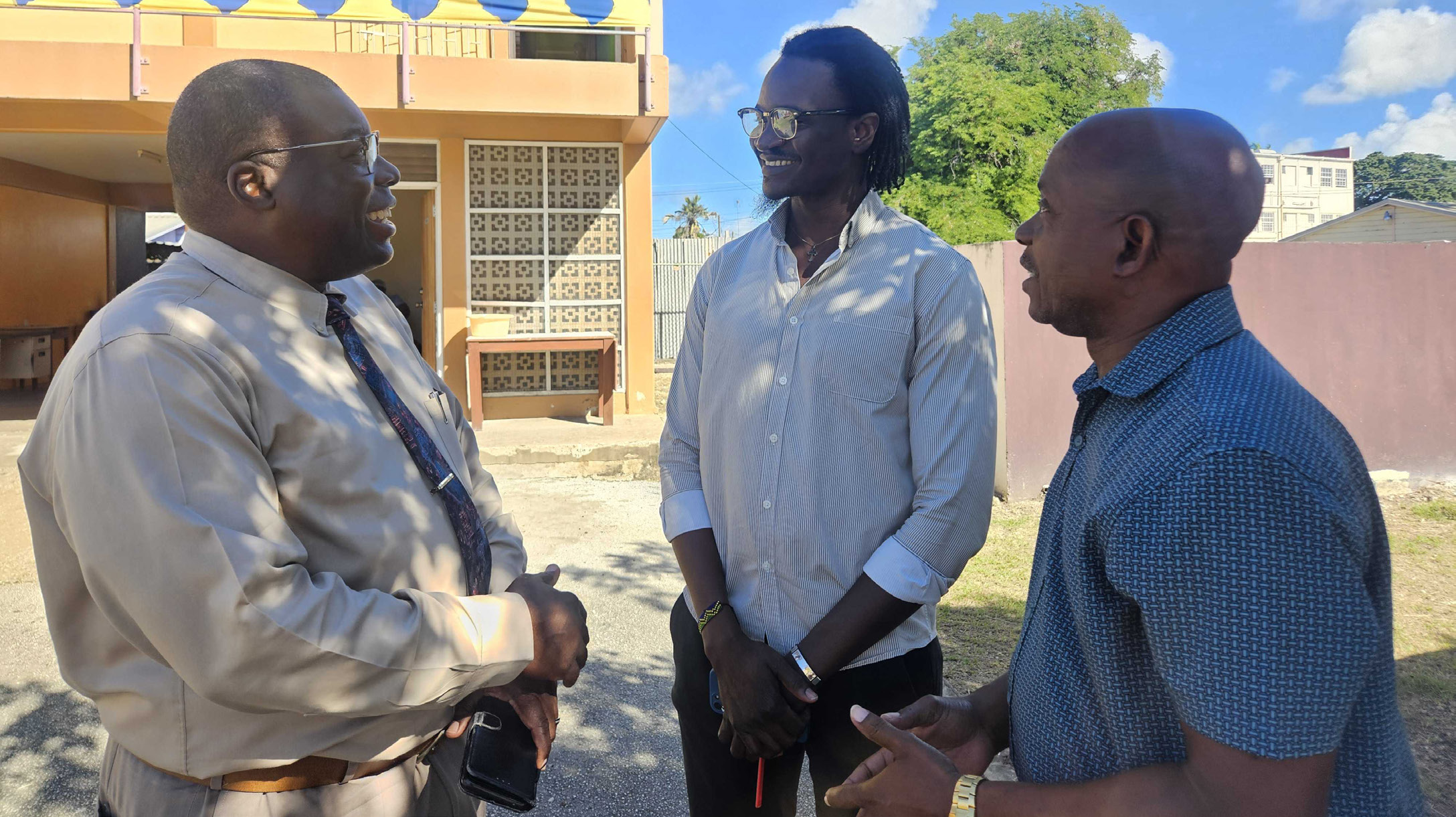
Barbados faces a critical juncture as educational and religious leaders sound the alarm on deteriorating moral foundations among youth, following a series of violent crimes involving teenagers. The Caribbean nation is grappling with a pattern of juvenile delinquency that has culminated in two separate murder charges against adolescents aged 16 and 17 within days of each other in December.
The educational community has responded with urgent calls for systemic change. Greig Walters, Principal of Wesley Hall Juniors, emphasizes that schools must transcend academic instruction to embrace character development. “We have a duty to take care of our students spiritually and morally,” Walters asserts, framing education as holistic development that integrates community engagement and faith-based guidance.
Statistical evidence underscores the crisis: Recent data from the Criminal Justice Research and Planning Unit reveals 47 young men under 25 currently on remand, highlighting the scale of youth involvement in serious crimes.
Three prominent church leaders have unanimously endorsed early moral intervention as the cornerstone of reform. Pastor Balsam Gambo of James Street Methodist Church warns that “education without moral grounding creates dangerously intelligent but compass-less adults,” while Reverend Jefferson Alleyne of Chapman Street Church of God advocates for value instillation from foundational levels, comparing it to building construction principles.
The consensus identifies diminished religious participation as a critical factor. Walters nostalgically recalls when church attendance was non-negotiable and communities collectively oversaw youth development, particularly during holidays. This erosion of traditional structures has created voids in moral supervision that leaders believe must be addressed through collaborative efforts.
Proposed solutions center on reintegrating spiritual compasses into education, reactivating community-based monitoring systems, and implementing early intervention programs even at primary school levels. Leaders conceptualize this as creating an internalized moral navigation system that activates during ethical dilemmas—what Walters describes as “that voice in your head that guides right from wrong.”
The religious community positions itself as an essential partner in this moral renaissance, offering faith as the foundational compass for national improvement. As Alleyne concludes, “Collectively, with divine assistance, we can achieve the necessary turnaround in youth development.”