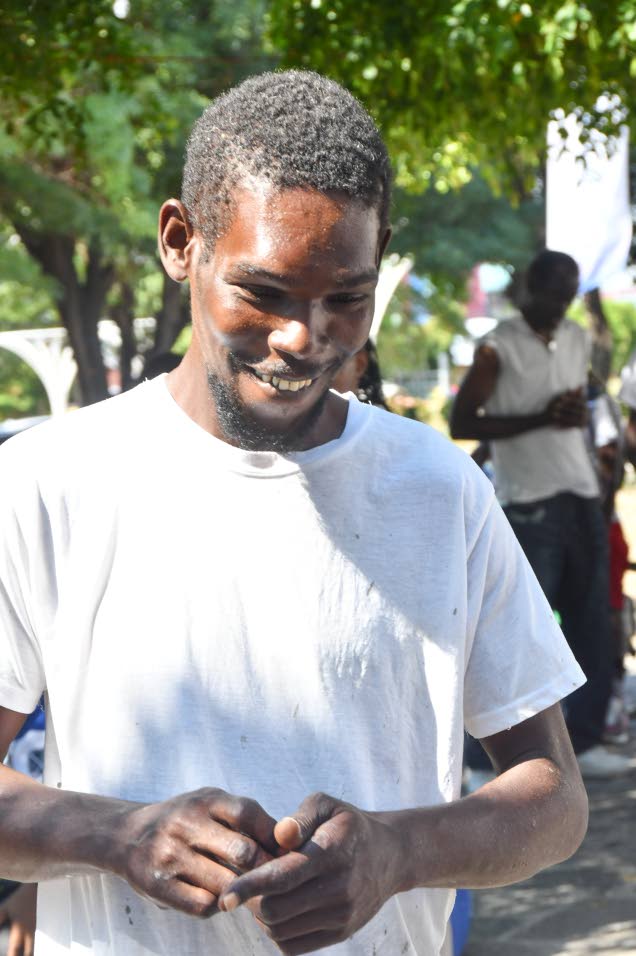
For 39-year-old Sherdan Carr, surviving two years of homelessness in Jamaica’s capital has become a nightly battle for safety. He describes an existence where finding secure rest often means scaling buildings to sleep on rooftops, a desperate measure to avoid violent attacks that have become commonplace on Kingston’s streets.
Carr’s account reveals a harrowing reality where homeless individuals face perpetual threat, even from children, with incidents of rock-throwing and machete attacks occurring regularly. He recounts witnessing a Rastafarian man having his head bashed with stones while sleeping just weeks before Christmas, and speaks of another elderly man who had his throat slashed during a robbery.
Despite the brutality, Carr maintains hope for his future while advocating for systemic change. He identifies shelters as potentially dangerous environments where theft among residents is common and conditions often worse than the streets. His testimony suggests that improved shelter security and better facilities could encourage more homeless individuals to seek refuge indoors.
The scale of violence is substantiated by official records showing that between January 2021 and April 2023, twelve homeless people were subjected to extreme violence across multiple parishes, with eight incidents occurring in Kingston alone. Only one victim survived these attacks.
Government officials acknowledge the problem while claiming progress. Delroy Williams, State Minister in the Ministry of Local Government and Community Development, recently reported a significant reduction in abuse cases against homeless individuals. He made these remarks during World Homeless Day observances in October, emphasizing ongoing appeals to citizens to cease victimizing vulnerable populations.
The situation has created survival strategies among Kingston’s estimated 3,000 homeless residents, including sleeping in shifts with lookouts posted for protection. Both Carr and another street-dweller, Teleta Allen, confirm that stone-throwing attacks have become almost recreational for some perpetrators, highlighting the profound vulnerability of those living without shelter in Jamaica’s urban centers.