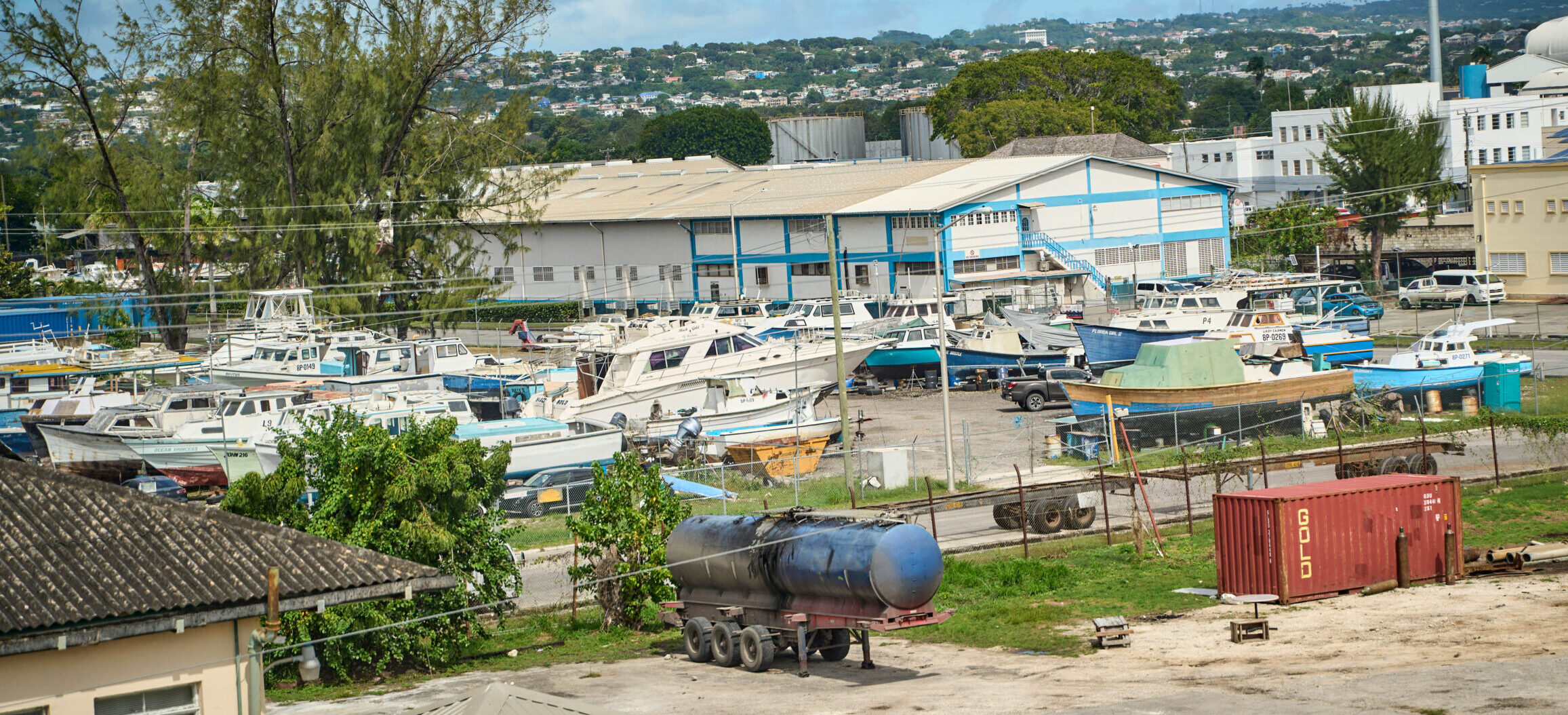
A newly established fishermen’s collective in Barbados is spearheading transformative changes within the nation’s fishing sector through strategic government collaboration. The Black Fin Fleet organization emerged following Hurricane Beryl’s devastation, addressing perceived representation gaps for boat proprietors, captains, and fishing agents.
Under the leadership of Moonesh Dharampaul, the organization representing approximately 200 industry stakeholders has already achieved significant breakthroughs through early dialogues with the Ministry of Agriculture and Food Security. Critical infrastructure enhancements at landing sites have become immediate priorities, with ministerial support resulting in the installation of new compressor systems in Bridgetown to address persistent ice production challenges.
Dharampaul emphasized the critical nature of reliable ice access for maritime operations: ‘Without adequate ice supplies, our fishing vessels cannot remain operational at sea. We’re collaborating closely with ministry officials to maintain essential machinery that supports our fishing capacity.’
Beyond infrastructure development, the organization is pioneering insurance reform for commercial fishing operations. Current insurance products inadequately cover fishing activities, prompting negotiations with the General Insurance Association of Barbados for specialized commercial fishing policies ahead of anticipated 2027 regulatory changes.
The collective simultaneously prepares to launch an extensive public awareness campaign highlighting fishermen’s vital role in national food security. The initiative aims to reshape public perception regarding maritime professions while advocating for professional recognition as Blue Economy specialists rather than traditional ‘fisherfolk’ terminology.
Dharampaul explained the rationale behind terminology evolution: ‘Fishing requires specialized skills acquired through practical experience rather than academic training. We seek appropriate professional designations that reflect the technical expertise and economic value our industry provides.’
The organization also addresses statistical representation issues, noting that aggregate fleet recovery data often masks operational disparities between different vessel types and their respective catch specialties, which ultimately affects market supply dynamics and consumer expectations.