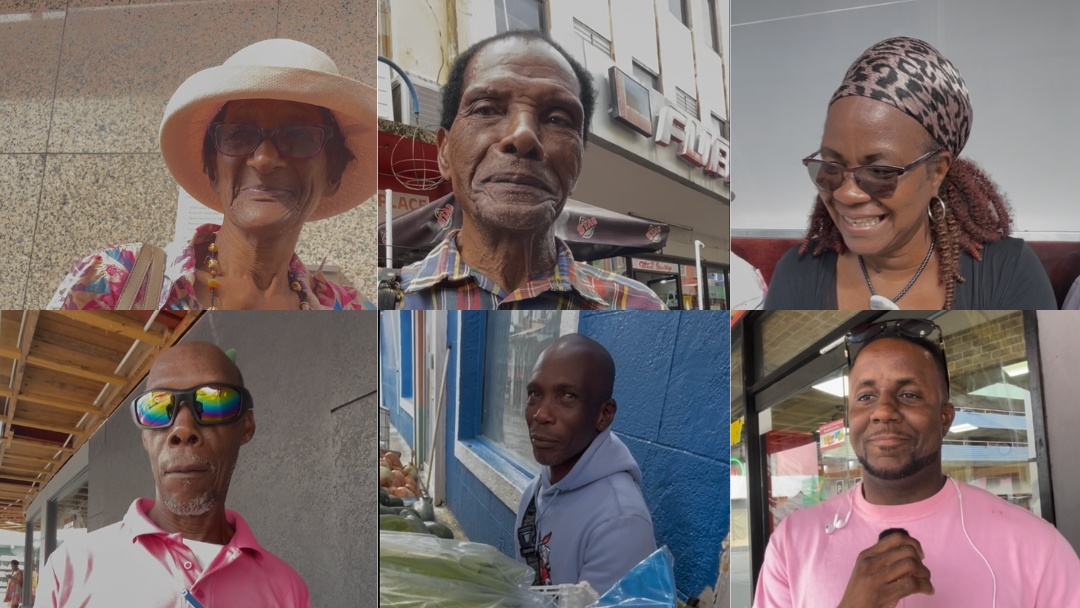
As the final hours of the year approach, Barbados showcases a rich tapestry of traditions and personal philosophies surrounding Old Year’s Night celebrations. Across the island nation, residents are preparing to welcome the new year through distinctly different yet equally meaningful approaches that reflect their values, circumstances, and outlooks on life.
For many Barbadians, religious observance forms the cornerstone of their year-end activities. Arla Daniel represents those who prioritize spiritual connections, describing her plans to attend services at All Saints Anglican Church in St. Peter after sharing a meal with her congregation. She emphasizes the transformative atmosphere of the ‘fully lit’ church, where admission fees grant participants a memorable visual and spiritual experience to conclude the year surrounded by community.
In contrast, numerous islanders embrace a more spontaneous approach to the occasion. Roger Carter exemplifies this perspective, expressing his philosophical acceptance of life’s uncertainties by deliberately avoiding structured plans. His attitude reflects a broader sentiment that meaningful moments cannot be scheduled, preferring to let the evening unfold organically rather than conform to societal expectations.
Home-centered celebrations provide comfort and practicality for many residents. Vincent Taylor and Anderson Barnes both advocate for domestic tranquility, with Taylor planning to enjoy spiritual music while welcoming what he hopes will be a peaceful new year. Barnes reinforces this perspective, noting the annual recurrence of the celebration makes extravagant observances unnecessary, choosing instead to appreciate Christmas purchases in the comfort of his home.
The economic realities of modern life shape another dimension of Barbadian year-end traditions. Jerome Wilkerson openly prioritizes productivity over celebration, stating plainly that his primary objective is to ‘work and make money.’ His pragmatic approach—planning to potentially celebrate only after securing earnings—highlights how financial considerations influence cultural practices.
Family connections and tempered optimism emerge as additional themes in Barbados’s year-end landscape. Eugene Joseph plans to combine parental bonding with modest celebrations, intending to share quality time with children while hopefully witnessing fireworks displays. Her acknowledgment of upcoming challenges demonstrates a characteristically Bajan resilience—approaching difficulties with calm determination rather than apprehension.
This spectrum of traditions, from deeply spiritual to resolutely practical, illustrates how Barbadians across demographic and philosophical lines find personal significance in the transition between years, blending cultural heritage with individual circumstances to create meaningful rituals.