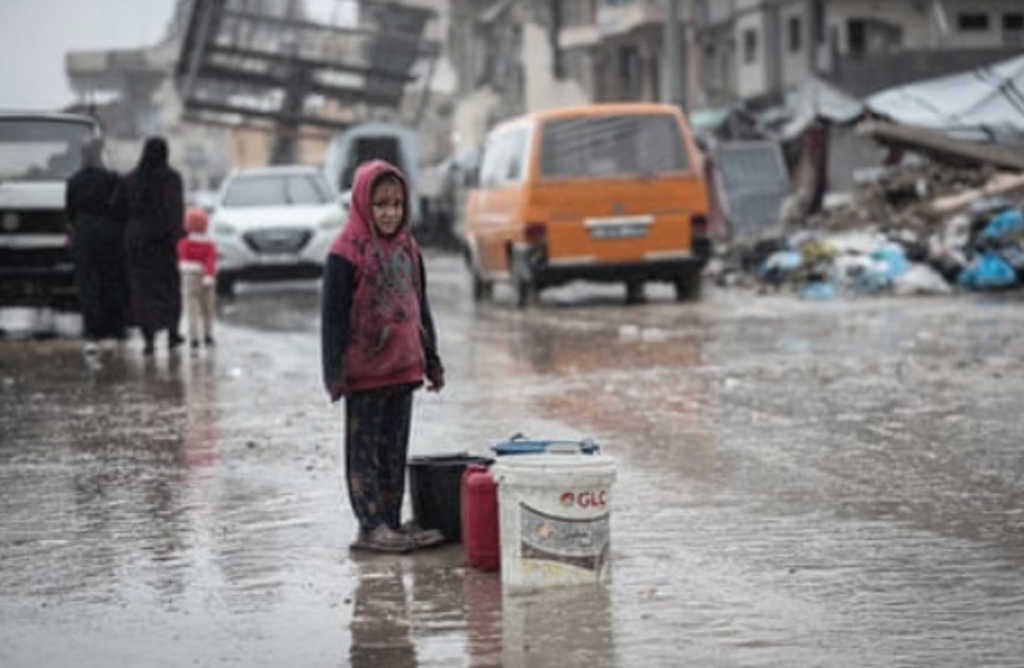
A severe weather system has exacerbated the already dire humanitarian situation in Gaza since Saturday, with powerful winds and torrential rains causing widespread destruction across the territory. The storm has triggered the collapse of multiple buildings that had previously sustained structural damage from military operations, while simultaneously flooding the tent settlements that currently serve as home for the majority of Gaza’s displaced population.
Philippe Lazzarini, Commissioner-General of the United Nations Relief and Works Agency for Palestine Refugees (UNRWA), issued a stark assessment of the deteriorating conditions. He emphasized that Gaza’s residents are being subjected to escalating levels of suffering, desperation, and mortality due to the compounding effects of natural disasters and human-made restrictions. Lazzarini specifically criticized Israeli authorities for maintaining stringent limitations on humanitarian aid operations, stating that essential supplies are not reaching the enclave at required volumes despite the emergency conditions.
The UN humanitarian coordination office (OCHA) documented numerous weather-related casualties in recent hours, including multiple cases of pediatric hypothermia and numerous illnesses linked to sewage system failures and wastewater overflow contamination. This latest storm follows another severe weather event earlier this month that resulted in 13 fatalities, among them two infants.
Structural damage assessments reveal at least 17 complete building collapses and significant damage to over 42,000 tents and temporary shelters, either partially or completely destroyed. This infrastructure damage has directly impacted no fewer than 235,000 individuals, further straining the territory’s limited resources and emergency response capabilities. The cumulative effect of these disasters has created what aid agencies describe as an unsustainable humanitarian emergency with growing health risks for the vulnerable population.