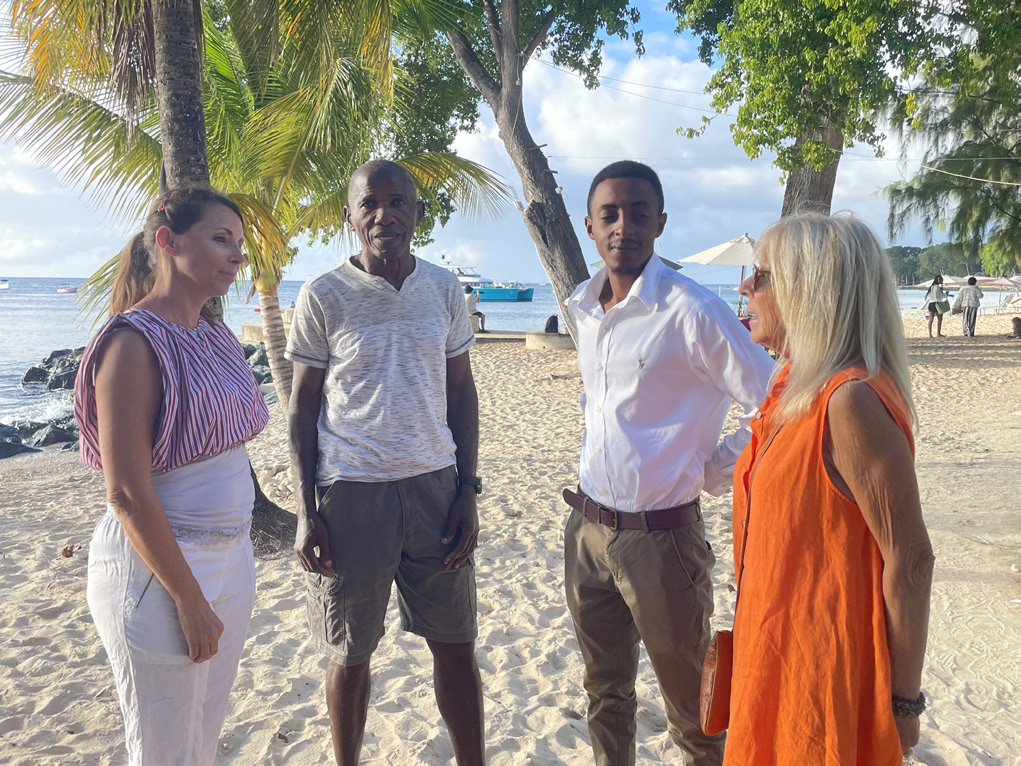
A coalition of Barbadian residents, long-term visitors, and political figures voiced mounting apprehension regarding tourism expansion strategies along the island’s western coastline during a public gathering near Holetown on Tuesday. The assembly highlighted deepening concerns over potential privatization of public assets, specifically the Holetown Civic Centre beachfront property, which parliamentary discussions have suggested might be reallocated for private hotel ventures.
Susan Cole, founder of preservation advocacy group Preserve Barbados, emphasized the event aimed to amplify shared values between local communities and recurrent visitors, many of whom have maintained annual Christmas traditions on the island for decades. “There’s a unique phenomenon where people return every year for 20 or 30 years,” Cole noted. “I sought to document why they consistently choose Barbados, ensuring those very attractions aren’t gradually eroded.”
Cole clarified that the movement does not oppose development categorically but advocates for responsible spatial planning. She referenced United Kingdom policies that prioritize construction on previously developed land rather than pristine coastal zones. “Barbados must evolve contemporaneously but responsibly,” she asserted. “These principles would resonate with both international visitors and Barbadians, as these beaches collectively belong to everyone.”
The advocacy leader questioned the economic and cultural wisdom of large-scale, all-inclusive resorts, warning they could dilute the island’s unique character and undermine its competitive edge. “If developments mirror Cancun-style complexes, why would tourists pay premium prices for a diluted experience?” she pondered, highlighting the risk of losing repeat visitors if cherished public spaces vanish incrementally.
Kemar Stuart, leader of the New National Party, addressed the assembly by framing the debate as a critical policy crossroads rather than isolated disputes. He stressed that tourists, being vital contributors to Barbados’ primary foreign exchange earnings, deserve consideration in development decisions. “We invest significantly in tourism development,” Stuart stated. “Therefore, the very market we cultivate should have input in changes that affect their experience and our economy.”
Stuart cautioned that overdevelopment threatens the natural beauty constituting the island’s core tourism product, potentially triggering a sectoral decline. He specifically criticized proposals to transfer public assets like the Holetown Civic Centre to private entities, arguing this prioritizes profit over public interest. “We cannot systematically close public access to the coastline,” he declared. “The concept of private beaches must never take root in Barbados.”
Both speakers unanimously called for enhanced public consultation processes and transparent dialogue before approving major coastal projects, underscoring the necessity of balancing economic advancement with environmental and social preservation.