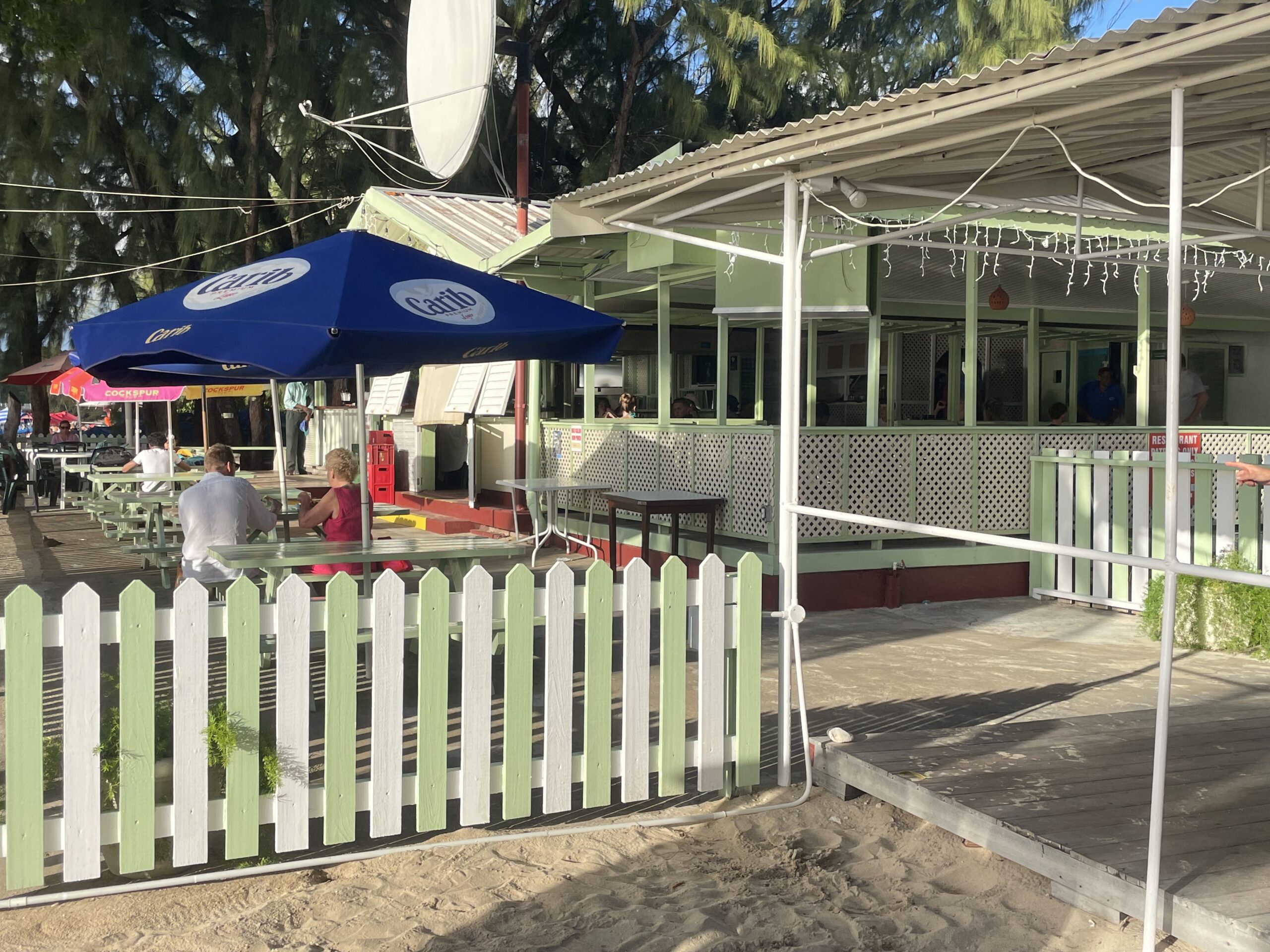
Amid growing concerns over tourism-driven development transforming Barbados’ iconic west coast, community members and frequent visitors convened at Holetown Beach for an unconventional dialogue about the island’s future. The Tuesday evening gathering, orchestrated by the nascent civic organization Preserve Barbados, sought to bridge perspectives between Barbadians and international guests during the peak Christmas season.
Founder Susan Cole characterized the initiative as a non-political effort to document shared values between locals and repeat visitors. “Our organization aims to collect insights from both residents and tourists to understand what truly matters to those who cherish this island,” Cole explained. Early discussions revealed striking alignment in priorities, particularly regarding coastal preservation and sustainable development.
The beachside setting was deliberately informal to foster genuine conversation beyond traditional consultation formats. Cole emphasized the importance of creating spaces where organic interactions could flourish, noting that many visitors specifically cite the warmth of everyday Barbadian interactions as their primary reason for returning.
Holetown’s selection as the venue was strategic, described by Cole as “the tourist capital of Barbados” due to its continuous foot traffic, beach access, and central role in west coast tourism. This location enabled direct engagement with tourists who might otherwise be inaccessible through conventional outreach methods.
Social activist Victor Lewis amplified the discussion’s significance, framing it within broader national development concerns. “We must consider tourists as stakeholders in determining Barbados’ developmental trajectory,” Lewis asserted. “Our approach cannot be purely economic—we are building a society, not just an economy.”
Lewis cautioned against development strategies prioritizing financial returns over cultural and social preservation, referencing Barbados’ historical transition from agriculture to tourism dominance. “Our development must serve both residents and those who choose to visit, ensuring Barbados remains welcoming to the world while protecting what makes it uniquely Barbadian,” he concluded.