KINGSTON, Jamaica – A significant humanitarian initiative commenced on Tuesday as the United Nations World Food Programme (WFP), in collaboration with Jamaica’s Ministry of Labour and Social Security (MLSS), activated a comprehensive cash assistance program for citizens devastated by October’s Category 5 Hurricane Melissa. This strategic intervention represents a pivotal transition from immediate emergency relief toward sustained recovery and community resilience building.
The newly launched program is designed to support approximately 50,000 individuals across severely affected regions, expanding beyond the initial emergency phase that distributed food packs to 123,000 vulnerable residents in St Elizabeth, St James, Trelawny, and Westmoreland. The initiative will now extend its coverage to include the parish of Hanover, utilizing the Jamaica Household Damage, Impact and Needs Assessment (JHDINA) tool to identify eligible households.
Brian Bogart, WFP’s Caribbean Multi-Country Office representative, emphasized the transformative nature of cash-based assistance: ‘For families who have lost everything, cash transfers provide more than mere relief—they restore autonomy. This approach empowers households to make their own decisions regarding food and essential needs, directly placing resources into the hands of affected communities while supporting their dignity and independence.’
The economic implications of this cash infusion are substantial. As commercial establishments and small businesses gradually reopen throughout western Jamaica, the assistance is anticipated to stimulate local economic recovery by boosting demand, supporting vendors, and accelerating the return to normalcy.
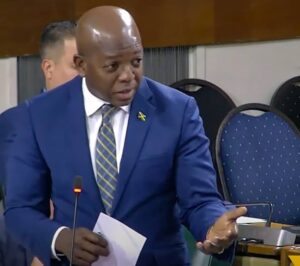
Jamaica’s Minister of Labour and Social Security, Pearnel Charles Jr., expressed profound commitment to the initiative: ‘Having witnessed firsthand the challenges confronting our citizens post-Melissa, I am deeply inspired by their resilience. Providing timely support to our most vulnerable isn’t just ministerial duty—it’s a personal responsibility. Our partnership with WFP enables us to deliver compassionate, dignified assistance with remarkable efficiency.’
Beyond immediate cash transfers, WFP is implementing long-term recovery strategies including farmland and fisheries restoration projects to revive incomes, improve nutrition, and stabilize markets. Additionally, through its disaster risk financing partnership with the Jamaican government, WFP has facilitated a $1.9 million payout from the Caribbean Catastrophe Risk Insurance Facility (CCRIF) to be distributed through national social protection systems.
This comprehensive recovery effort has been made possible through substantial contributions from multiple international donors including the governments of Canada, the United Kingdom, the United States, the European Union, the Inter-American Development Bank, the Central Emergency Response Fund, and private entities such as the XO Fund, Bank of America, and Flex/Twilio Inc., supplemented by WFP’s Immediate Response Account resources.