A recent analysis of security data from the Democratic Republic of Congo reveals a complex and volatile situation across its eastern provinces. While November witnessed a significant reduction in security incidents, dropping from 55 in October to 37 cases, the region continues to grapple with persistent violence and instability.
Geographic distribution patterns show North Kivu remains the epicenter of insecurity, accounting for nearly half (48%) of all documented incidents throughout 2025. This troubled province is followed by South Kivu (27%), Ituri (14%), Tanganyika (8%), and Maniema (3%) in the annual rankings, demonstrating the widespread nature of the security challenges.
The most prevalent security violations include property crimes such as thefts, robberies, and break-ins, alongside frequent obstructions and restrictions on civilian movement. While still occurring, more direct personal violence including intimidation, threats, and physical assaults represented a smaller proportion of total incidents.
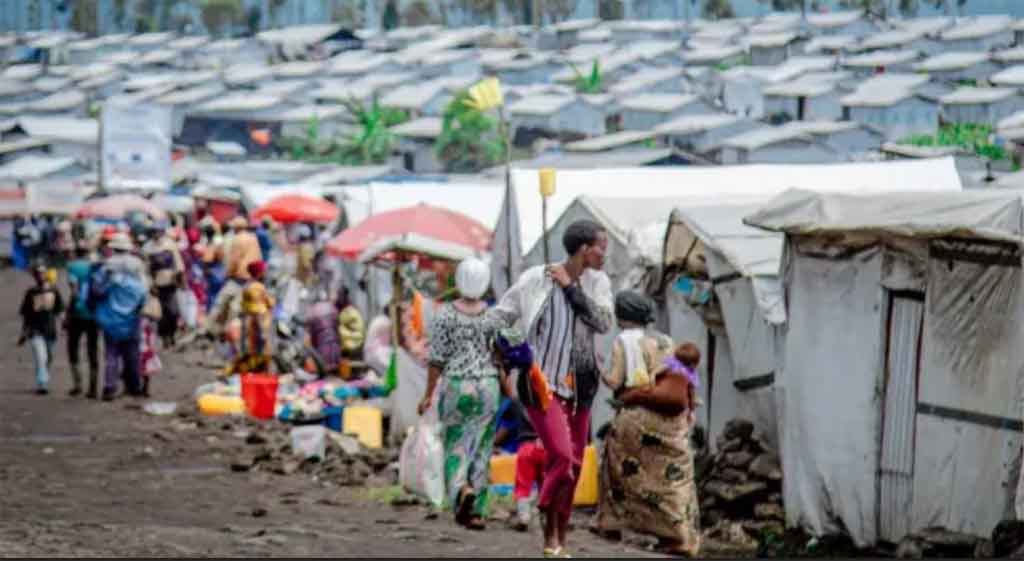
This persistent insecurity stems primarily from the proliferation and frequent clashes between numerous armed groups operating throughout eastern Congo. The resulting violence has triggered massive population displacements, creating a deepening humanitarian crisis that strains local resources and international response capabilities.
Despite the dangerous operating environment, humanitarian organizations continue their critical work in the region. These agencies are implementing coordinated efforts to reach affected communities with emergency medical services, essential food supplies, and other life-saving assistance, often working under extremely challenging conditions to deliver aid to those most in need.