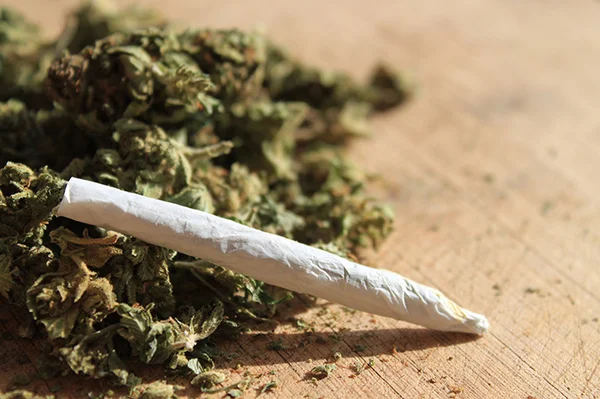
Barbados finds itself at a policy crossroads as its progressive cannabis reforms face unintended consequences and public scrutiny. What began as a well-intentioned effort to alleviate court congestion and prevent lifelong criminal records for minor marijuana offenses has evolved into a complex societal dilemma characterized by conflicting messages and implementation challenges.
The Caribbean nation initially addressed its overwhelmed judicial system by decriminalizing small-scale marijuana possession through a ticketing system while simultaneously establishing a regulated medicinal cannabis industry. This dual approach mirrored global trends toward recognizing that minor drug offenses should not permanently derail lives or monopolize judicial resources.
However, Supreme Court proceedings have revealed growing concerns about the policy’s execution. Senior Counsel Angella Mitchell-Gittens has highlighted fundamental inconsistencies in a system where one individual faces charges for possession while another legally obtains cannabis through medical channels—sometimes in shopping malls—for stress or minor complaints. This disparity has created perceptions of a double standard among young Barbadians, who historically faced harsh penalties for similar usage now deemed medically justified.
Home Affairs Minister Wilfred Abrahams has acknowledged public unease regarding pervasive marijuana smoking at government-sanctioned events, including popular football matches. This visible public consumption contrasts sharply with official statements maintaining the drug’s illegal status for recreational use, creating confusion about enforcement priorities and legal boundaries.
Mitchell-Gittens, drawing from extensive experience with pre-sentencing reports, has characterized marijuana use as an ‘epidemic’ linked to impaired judgment and increased criminal vulnerability among heavy users. Her concerns emphasize that without clear guidelines, the policy risks normalizing use without addressing underlying issues of mental health support, skills training, and employment opportunities that drive substance abuse.
The current enforcement landscape appears increasingly ambiguous, with police adopting lenient approaches despite official prohibitions. Medical cannabis regulations face scrutiny regarding prescription integrity, as improper assessments could blur the distinction between legitimate treatment and recreational use. Barbados now confronts the challenge of reconciling its progressive drug policy ambitions with the practical realities of implementation, requiring coordinated investments in social services and consistent messaging to achieve meaningful reform.