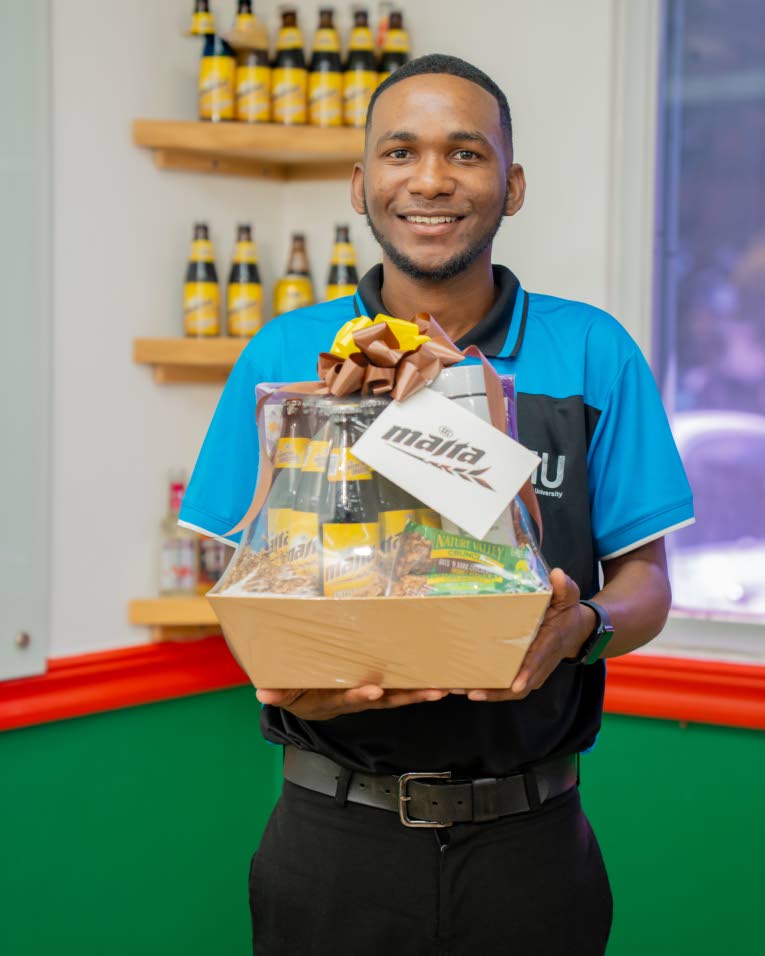
When Jamiel Powell, a 25-year-old engineering student, filmed the storm damage in Trelawny parish and shared it on TikTok, he anticipated minimal engagement. Instead, his casual post triggered an overwhelming flood of messages from concerned Jamaicans worldwide, desperately seeking updates on unreachable family members. This digital plea for help transformed the Caribbean Maritime University fourth-year student into an indispensable lifeline for isolated communities.
Returning home that weekend to check on his mother and grandmother—both safe but without basic utilities—Powell hadn’t comprehended the parish’s near-total isolation until his video went viral. “People were pleading for me to locate their families,” Powell recounted. “Some didn’t even know if their relatives had survived.” Despite initial intentions to merely document damage, he instinctively transitioned into action, becoming an unofficial emergency responder for entire communities.
Powell’s background prepared him for this unexpected role. Growing up in Falmouth Gardens and Albert Town—communities where water access was never guaranteed—forged the resilience that now defines his relief efforts. His established TikTok presence, previously focused on academic guidance and Alaskan travel experiences, had already earned him credibility within the Jamaican diaspora. When traditional communication systems collapsed, this digital trust became critical infrastructure.
As grateful families began sending monetary appreciation, Powell faced an ethical dilemma. “I couldn’t keep the money,” he stated firmly. “Not when entire districts lacked food.” He converted every contribution into essential supplies—rice, flour, canned goods, water—personally delivering packages to households beyond the reach of conventional aid organizations.
Powell’s operation demands extraordinary personal sacrifice. Each week, he balances rigorous industrial systems engineering studies with weekend relief missions across treacherous terrain. Navigating debris-blocked roads often requires abandoning his vehicle and hiking long distances to reach bedridden residents in remote areas. “Small help means everything out here,” he noted.
His compassion extends beyond material support. In Bunkers Hill, after delivering supplies to an elderly man whose home had lost walls and roofing, Powell collaborated with volunteer Sandy and her team to reconstruct the structure. This project expanded to assist additional families, demonstrating how individual initiative catalyzes broader community recovery.
The initiative has since attracted institutional support. Malta beverages donated supplies, while local businesses including Keims Auto Services, Humble Calf Trucking, Infinity Auto, and Paris Auto provided material assistance. Powell’s brother Noah now regularly joins delivery missions, expanding the operation’s capacity.
Yet challenges persist. Powell acknowledges financial constraints that threaten the mission’s sustainability: “I don’t always have money to continue, but someone always needs help.” Despite his own family members remaining without electricity or water, he consistently prioritizes the wider community’s needs.
For many interior communities remaining outside national relief efforts, Powell has become the only consistent source of updates and assistance. “If I help once and never return, some people would receive no help at all,” he explained. His commitment has transformed a simple social media post into a sustained support system, proving how individual compassion can bridge critical gaps when institutional responses fall short.