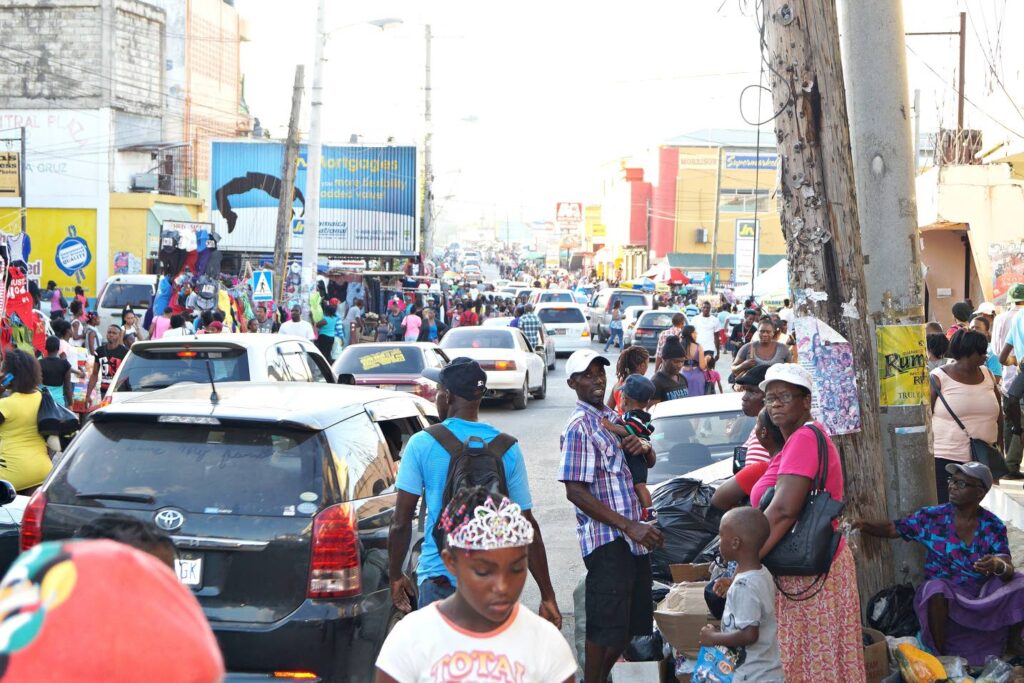
The historic Jamaican tradition of Grand Market faces severe disruption in St Elizabeth this Christmas Eve, with local business leaders predicting a dramatically scaled-back celebration due to ongoing recovery efforts from Hurricane Melissa’s devastation.
Howard Hendriks, President of the St Elizabeth chapter of the Jamaica Chamber of Commerce, revealed that approximately 93 establishments in the parish remain non-functional or severely compromised since the October 28 storm. The hurricane’s impact has particularly affected the three major towns that traditionally host the vibrant celebrations—Black River, Santa Cruz, and Junction.
Black River’s commercial district remains at a complete standstill, while Santa Cruz experiences significantly slowed business activity. This has shifted commercial momentum to Junction, which has unexpectedly become the parish’s primary commerce hub as it was cleared of debris earliest.
“The biggest Grand Market in Jamaica you can ever see is in Santa Cruz,” Hendriks told the Jamaica Observer. “Santa Cruz is always full on Grand Market night, and I don’t envision seeing that capacity of crowd this year because you need businesses to sustain it.”
The tradition of Grand Market dates to colonial times when enslaved Africans were granted limited freedom during Christmas to sell surplus produce and handmade goods. Today, it transforms town centers into all-night street fairs featuring last-minute shopping, street food, music, and festivities that often continue into Christmas morning.
Hendriks described the likely scenario: “It may be a minuscule version of Grand Market because people are going to want to get some things, but you have to have electricity to have the sound system going to build that party vibe.”
The recovery disparity between urban and rural businesses has become particularly apparent. Small businesses—including grocery shops and bars that operate “hand to mouth”—face existential challenges without access to formal banking support or disaster recovery resources.
“The recovery for the small business sector is non-existent,” Hendriks explained. “These people don’t really go to the bank to borrow money to sustain their business. They rely on informal financial systems like round robin and partna draws, which have been completely disrupted.”
Energy infrastructure remains a critical obstacle, with generator costs running approximately $5,000 Jamaican dollars per night for fuel—an unsustainable expense for businesses already struggling with transportation challenges for perishable goods into hill communities.
Hendriks has engaged with the Office of Disaster Preparedness and Emergency Management (ODPEM) to address recovery needs, but acknowledges that without restored electricity and substantial support, “commerce is basically totally ripped up, and we don’t know when it will return.”