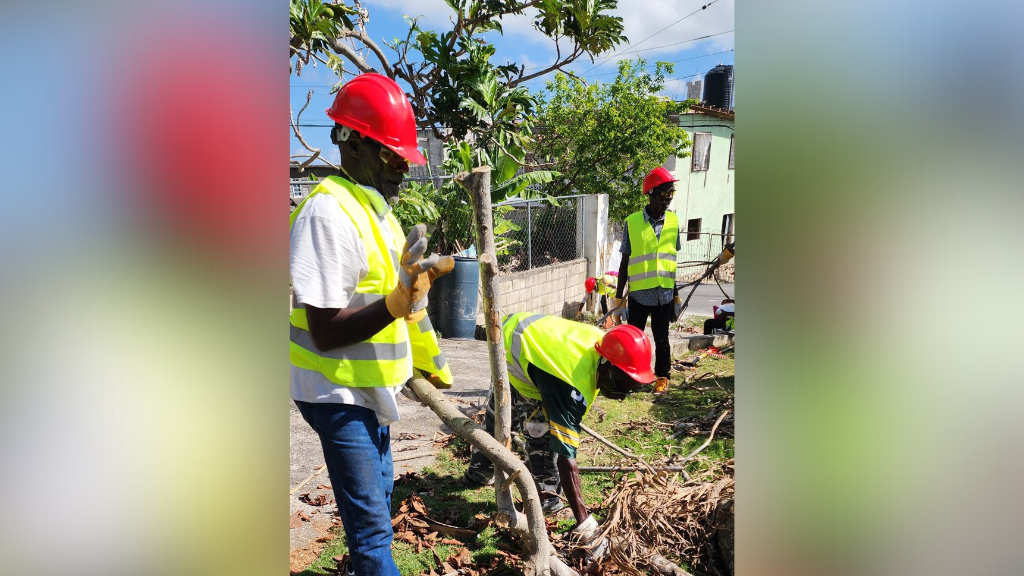
KINGSTON, Jamaica — In response to the devastation caused by Hurricane Melissa, Project STAR has initiated a comprehensive recovery program in partnership with the United Nations Development Programme (UNDP). The Cash for Care & Work Initiative represents a strategic shift from traditional relief distribution toward sustainable recovery efforts focused on restoring livelihoods and community stability.
The program targets residents of Savanna-la-Mar in Westmoreland and Salt Spring in St. James, offering short-term employment opportunities centered on safe debris removal from homes, public areas, and critical access routes. This approach simultaneously addresses both infrastructure rehabilitation and income disruption within affected communities.
Through Project STAR’s established economic training framework, workers receive specialized instruction in safe handling protocols, proper protective equipment usage, and environmentally responsible disposal and recycling methods. This training component ensures both immediate employment and skill development for longer-term resilience.
Saffrey Brown, Project STAR’s director, emphasized the program’s human-centered philosophy: “This initiative reflects our deliberate focus on longer-term recovery that places people and dignity at the center. We’re moving beyond simple relief distribution while acknowledging many households remain under significant emotional, economic, and social strain.”
The program incorporates multiple support dimensions, including assistance for households facing increased caregiving demands due to hurricane impacts. Additionally, a limited number of micro and small business operators who sustained substantial losses will receive support to restart operations and restore income stability.
UNDP Multi-country Office Jamaica Resident Representative Dr. Kishan Khoday highlighted the partnership’s strategic importance: “The need for collaborative responses to support Jamaica’s most vulnerable communities has never been greater. This partnership delivers practical solutions where they are needed most.”
Civil society organizations within affected communities are facilitating transparent beneficiary selection and ongoing monitoring to ensure measurable impact. Selection criteria prioritize those most severely affected, including women-headed households, elderly residents, persons with disabilities, and low-income families.
Brown noted the program’s foundational principles of fairness, inclusion, and accountability, particularly for communities that experienced heightened vulnerability before the hurricane. The initiative represents a dual approach addressing immediate needs while building community preparedness and capacity for future challenges.