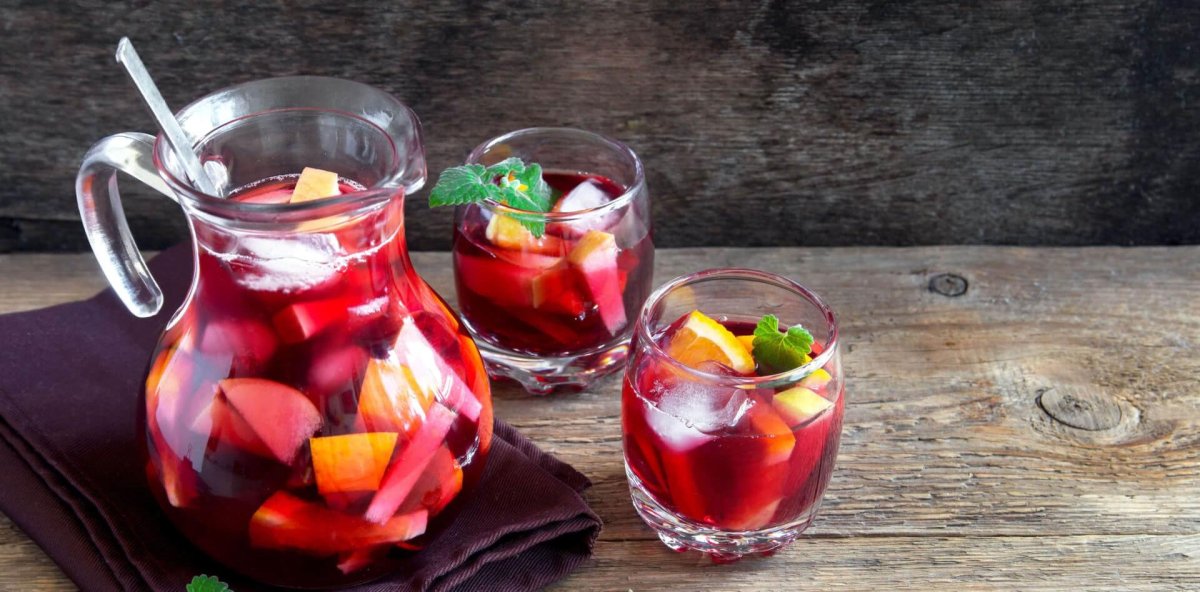
In the vibrant social landscape of the Dominican Republic, sangria has undergone a remarkable tropical transformation, evolving from its European origins into a distinctly Caribbean celebration staple. While Spain and Portugal claim historical ownership of this beloved beverage, Dominican mixologists have masterfully reinterpreted the formula to align with local preferences and climate conditions.
According to Edili Sánchez, a Tourism and Hotel Administration graduate and professional bartender, the Dominican version represents a significant departure from its Mediterranean ancestor. “Our sangria takes inspiration from the Spanish tradition but undergoes substantial adaptation to suit Dominican tastes,” Sánchez explains. “Where traditional sangria tends to be drier and more balanced, we’ve developed a profile that emphasizes aromatic intensity, fruit-forward characteristics, and subtle sweetness—perfect for chilled consumption during extended social gatherings.”
The Dominican iteration incorporates several distinctive local elements that define its character:
– Abundant tropical fruits including pineapple, watermelon, and occasionally mango
– Incorporation of natural fruit juices alongside wine
– Addition of rum or other regional spirits rather than exclusively brandy
– Enhanced sweetness levels and generous ice portions suited to tropical climates
These modifications create a more approachable, refreshing beverage that appeals even to those who typically avoid wine-based drinks.
Sánchez emphasizes sangria’s natural alignment with Dominican social culture. “It’s fundamentally a communal drink—prepared in large pitchers, served in quantity, and perfectly complementing our tradition of extended conversation accompanied by snacks and laughter,” she notes. The drink’s informal elegance makes it ubiquitous at diverse gatherings including birthdays, family events, weddings, and business functions.
Despite its popularity, sangria hasn’t displaced rum—the undisputed champion of Dominican celebrations. Instead, it occupies a complementary niche as a lighter, more versatile option that appeals to mixed audiences during lengthy events. Sánchez, who created the Swing Cremoso by Edili brand, concludes: “Sangria discovered its particular niche as a sophisticated yet accessible alternative that reflects our preference for non-aggressive drinks that promote unhurried enjoyment and social cohesion.”
The global recognition of World Sangria Day on December 20 provides annual opportunity to celebrate how this European classic has developed a unique Caribbean identity while maintaining its essential spirit of conviviality.