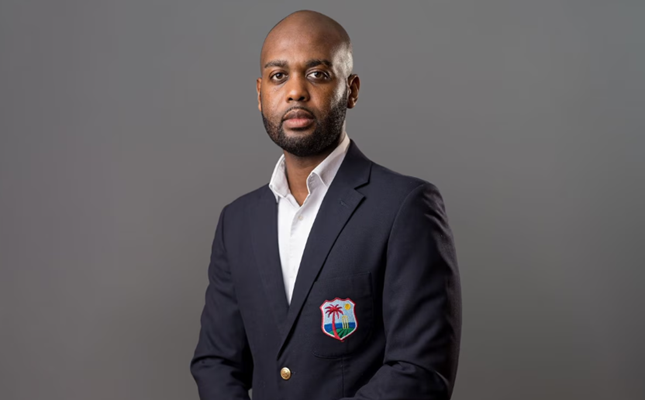
In a significant development for Caribbean cricket governance, Dr. Kishore Shallow has announced he will complete his term as President of Cricket West Indies (CWI) despite recent election to political office, though he will not seek re-election when his current mandate expires. This decision follows Shallow’s successful electoral victory in St. Vincent and the Grenadines, where he secured the North Leeward constituency seat for the New Democratic Party administration.
Addressing the region on Sunday, December 8th, Shallow acknowledged the complexity of balancing dual leadership roles but emphasized his commitment to seeing through organizational reforms already initiated under his presidency. “After considerable reflection, I believe ongoing projects require consistent leadership to reach completion,” Shallow stated. “Therefore, I will conclude my current term while formally declaring my intention not to pursue re-election.”
The CWI president revealed he had received extensive congratulations from within the cricket community following his political success. He reiterated that his primary objective has always been strengthening CWI’s administrative framework to ultimately enhance team performance on the field.
Shallow provided concrete metrics regarding reform progress, noting that over 70% of recommendations from the Wehby Report on governance restructuring have been implemented, with additional areas slated for review during the remainder of his term.
Addressing concerns about potential conflicts of interest, Shallow highlighted precedents within international cricket governance. “Several colleagues at the International Cricket Council currently serve or have previously served as government ministers or parliamentarians,” he noted. A comprehensive due-diligence review confirmed no legal or ethical conflicts exist between the roles.
Shallow further clarified that the CWI presidency is neither a salaried position nor a full-time occupation, with daily operations managed by CEO Chris Dehring and a professional staff of over fifty based in Antigua. He suggested his unique position could actually foster improved collaboration between regional governments and cricket administration, potentially creating new avenues for support without compromising organizational independence.