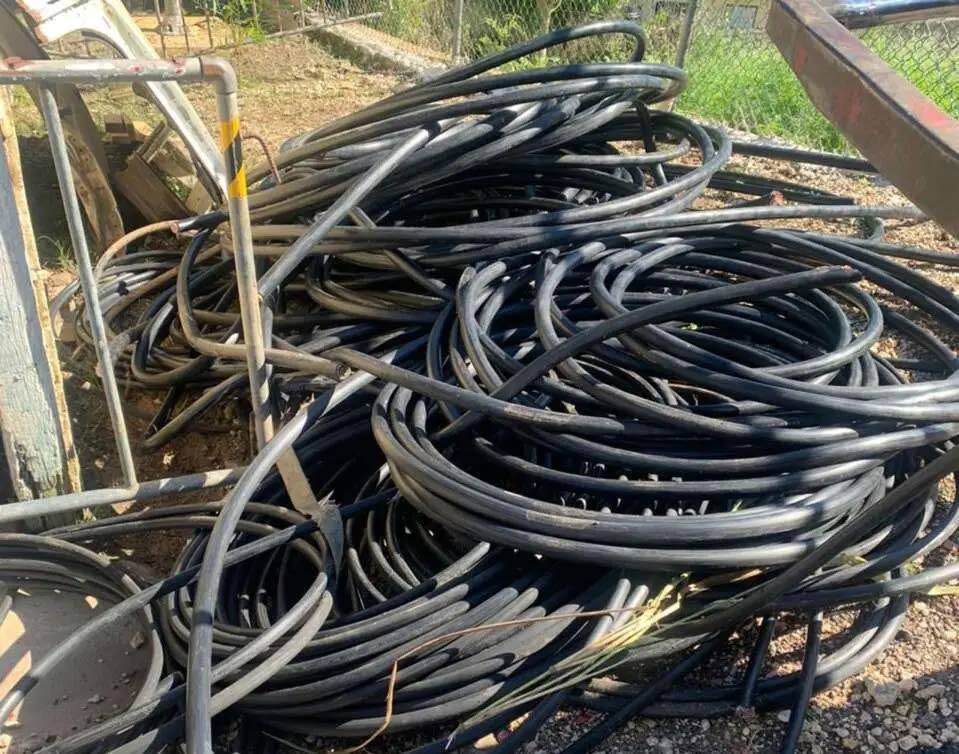
Jamaican authorities are confronting a coordinated campaign of infrastructure sabotage that is severely impeding recovery efforts following Hurricane Melissa. Transport, Telecommunications, and Energy Minister Daryl Vaz has revealed that intelligence indicates a small, organized network—not random individuals—is systematically targeting critical utility infrastructure for short-sighted gains.
Speaking at the Jamaica Observer Press Club, Minister Vaz emphasized that security forces and ministry intelligence have identified repeat offenders whose calculated actions are deliberately slowing restoration work. Contrary to perceptions of widespread vandalism, the minister characterized these acts as the work of a tight-knit criminal clique exploiting the post-hurricane chaos.
“This isn’t random activity but targeted sabotage by groups who mistakenly believe they’re stealing valuable materials,” Vaz stated. “Their actions demonstrate profound ignorance—they’re often damaging equipment with zero resale value while creating national disruptions.”
The government’s response centers on implementing tougher penalties through legislative reforms. Vaz warned offenders would face substantial jail terms rather than symbolic punishments, with enhanced sentences for repeat violations. This hardened stance comes as telecommunications providers Digicel and Flow report that cable theft and equipment destruction have repeatedly set back their restoration timelines, sometimes plunging entire business districts into communication blackouts.
Adding credibility to the government’s claims, Jamaica Constabulary Force recently charged a taxi operator with simple larceny and malicious destruction of property after he was allegedly caught stealing telecommunications cables from a St. Ann manhole in early December. Law enforcement intercepted the suspect following a pursuit, recovering stolen cables and impounding the vehicle.
Vaz highlighted the disproportionate economic impact of these crimes: “A single cable slice can paralyze New Kingston for days. The costs extend far beyond telecom companies to affect national productivity and public safety.” The government continues collaborating with utility providers to share intelligence and strengthen infrastructure protection during this critical recovery period.