HAVANA – Legal scholars and tourism policymakers from 23 nations gathered this week at the Iberostar Parque Central Hotel for the III International Seminar on Tourism Law (December 9-11), marking a significant step toward redefining global travel regulations with sustainability at their core.
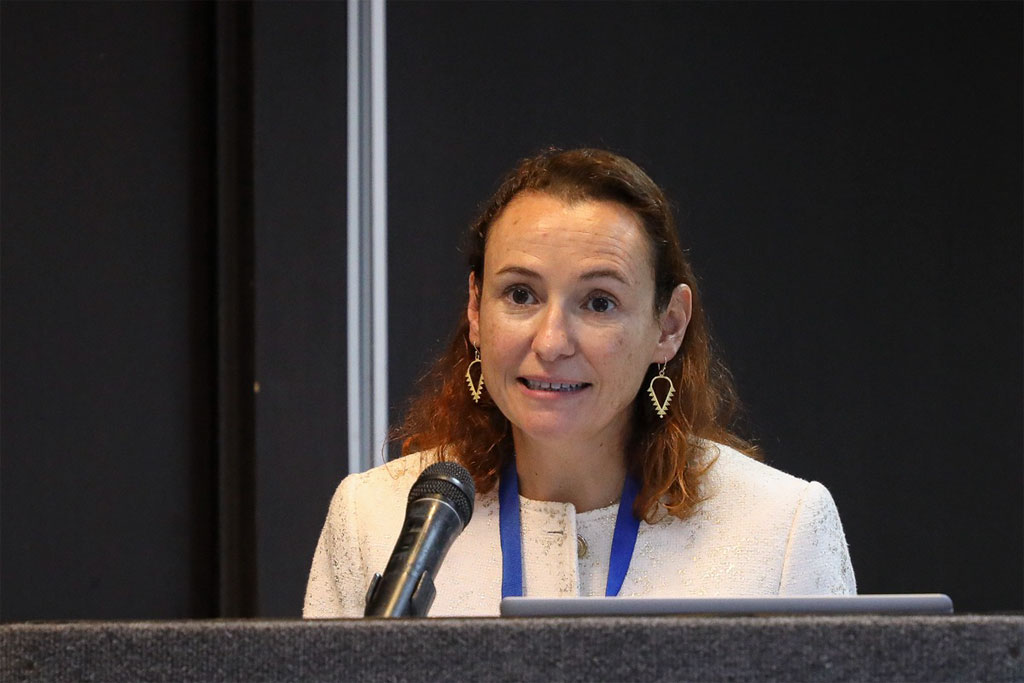
A key participant expressed fervent enthusiasm to Prensa Latina this Thursday regarding the high-level debates among nearly 100 international experts. The seminar’s primary objective, from a legal standpoint, is to modernize tourism guidelines across Latin America and the Caribbean by embedding sustainable development principles into national legislation.
This gathering represents a pivotal opportunity for foundational dialogue, equipping participating nations with actionable ideas, policy recommendations, and proven best practices. The discussions aim to translate theoretical legal frameworks on sustainability into tangible, practical applications within the tourism sector.
The current seminar continues the work initiated in previous meetings. The inaugural event focused on the International Code for the Protection of Tourists—a Spanish initiative endorsed by Cuba—which addressed critical traveler protection issues emerging from the COVID-19 pandemic. The subsequent seminar in Argentina placed a stronger emphasis on sustainability, successfully integrating the dual themes of sustainability and accessibility into the agenda of the United Nations’ Right to Tourism program.
The expert highlighted Cuba’s proactive role within UN Tourism, noting the country’s close collaborative relationship with the global body. She expressed particular satisfaction that Cuba is currently developing new tourism legislation that incorporates these core sustainability principles. Consequently, Cuba is actively participating in a dedicated working group established by UN Tourism specifically for this legislative modernization initiative.