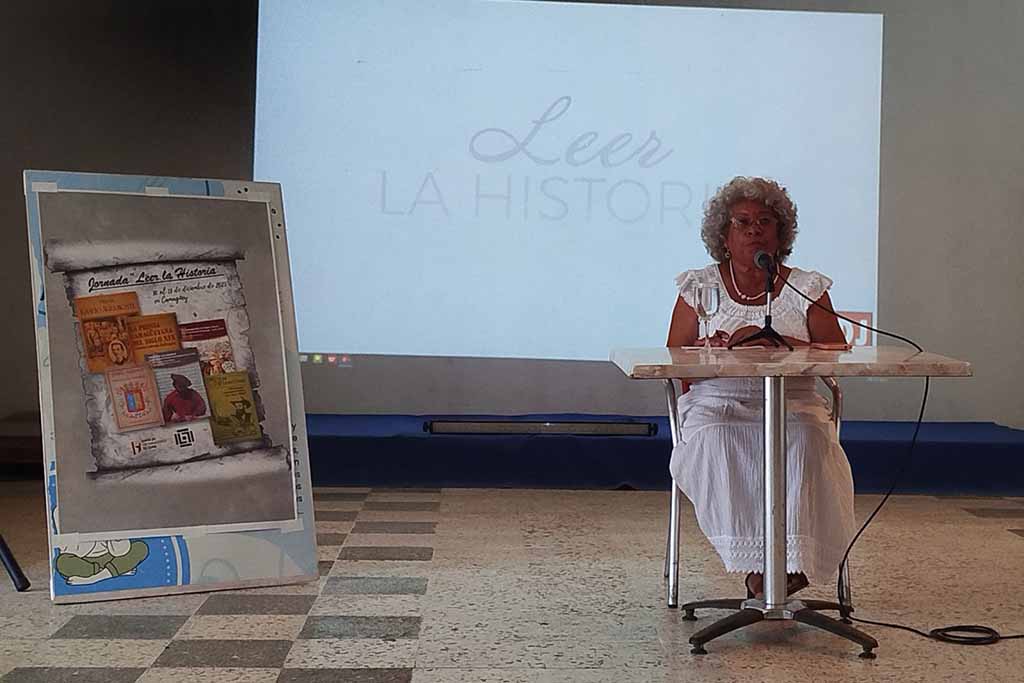
An academic gathering of historians and researchers in Cuba has initiated a profound reevaluation of national heroine Mariana Grajales Cuello’s historical significance. The event commenced with a groundbreaking presentation by Dr. Damaris Amparo Torres of the University of Oriente, titled “From Mariana Grajales’ Lineage,” which challenged conventional historical narratives.
Dr. Torres, a distinguished Santiago historian, identified a persistent pattern in Cuban historiography where Grajales’ monumental contributions have been consistently overshadowed by the fame of her sons, particularly independence hero Antonio Maceo. The academic emphasized the critical need to restore Grajales’ autonomous historical agency and recognize her distinct legacy separate from her familial connections.
The presentation documented how post-revolutionary scholarship began rectifying this historical imbalance, citing pivotal works like “Mariana Grajales: 200 Years in History and Memory” as instrumental in establishing her proper historical standing.
With meticulous academic rigor, Torres corrected longstanding biographical inaccuracies, definitively establishing Grajales’ birthdate as July 12, 1815, in Santiago de Cuba—a fact verified through baptismal records preserved at the Church of Santo Tomás Apostle. The researcher conclusively refuted theories suggesting Dominican origins, firmly reestablishing Grajales’ authentic Cuban heritage.
The symposium further explored Grajales’ remarkable personal narrative as a mestizo woman who demonstrated extraordinary resilience after early widowhood. Despite confronting systemic discrimination and lacking formal education, she forged a new family with patriot Marcos Maceo, raising ten children who would predominantly dedicate their lives to Cuba’s independence struggle.
Fernando Miguel Manzo Alonso, president of the Union of Historians of Cuba (UNHIC) in Camagüey, formally inaugurated the event. The location held particular historical significance as the province that hosted the first Constitution of the Republic in Arms in 1869, providing appropriate context for Grajales’ revolutionary legacy.