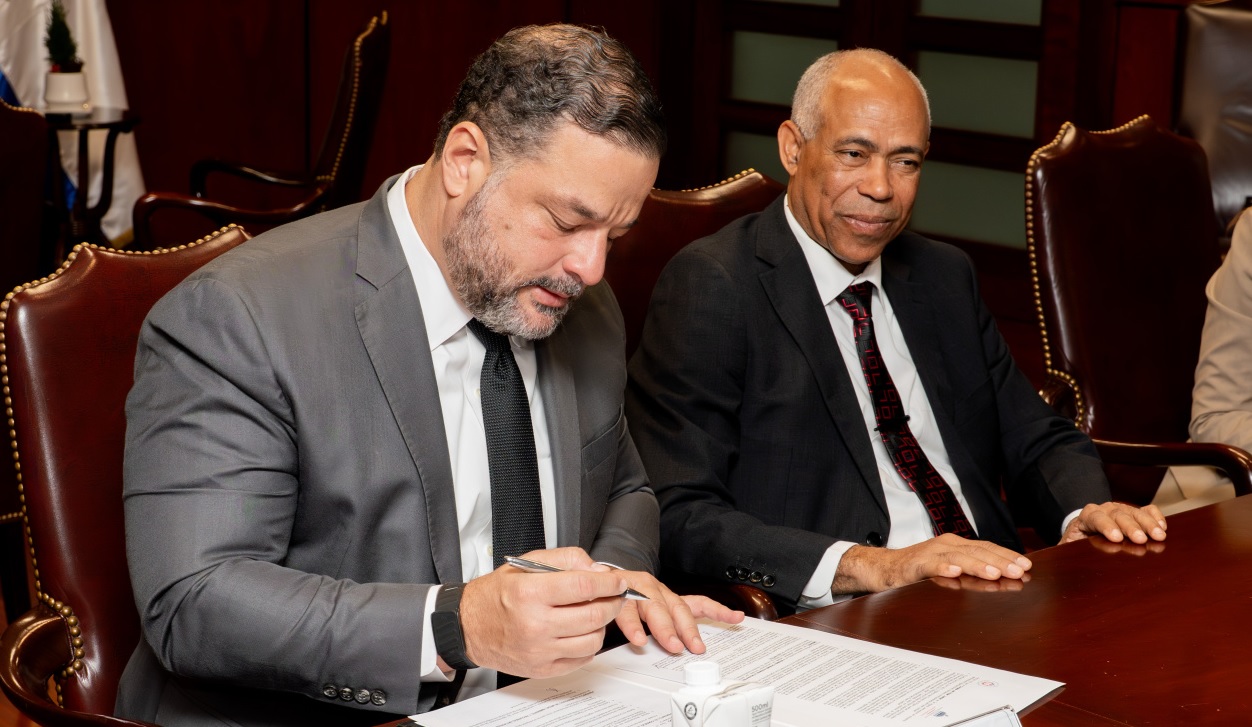
SANTO DOMINGO – In an unprecedented institutional collaboration, the Dominican Republic has established a powerful legal framework to defend its ecological treasures. The Ministry of Environment and Natural Resources and the Council of the Judiciary have cemented a four-year strategic alliance, signed on December 10, designed to fortify the legal security of the nation’s protected zones through enhanced data sharing and judicial oversight.
This pioneering agreement merges environmental conservation with legal enforcement, creating a robust system for land governance. The Ministry will provide the Judiciary’s land registry officials with comprehensive, consolidated geospatial data encompassing protected territories, their buffer zones, and adjacent lands. This transfer of critical information is fundamental for precise cadastral mapping and establishing incontestable legal boundaries.
Minister Paíno Henríquez characterized the pact as a reaffirmation of the state’s duty to protect the nation’s natural heritage. ‘This ensures every inch of our protected areas is correctly delimited and under legal security,’ he stated, highlighting the move’s significance for long-term conservation.
In return, the Judiciary will deploy its legal expertise and technical resources to support the Ministry. This collaboration will streamline title processing, implement real-time registry systems, and, crucially, identify and officially record all state-owned lands within protected areas. This process is vital for preventing illegal land grabs and enabling efficient legal action against encroachment or unauthorized use.
A core tenet of the agreement is a strict mandate to uphold the confidentiality and integrity of all shared data, ensuring its use remains in the public interest. By integrating authoritative environmental data with judicial power, the Dominican Republic is ushering in a new era of transparency and inter-agency cooperation, setting a formidable precedent for national resource defense and sustainable land-use management.