Barbados’ Minister of Educational Transformation Chad Blackman has robustly defended his ministry’s controversial initiative to inform parents about the substantial taxpayer-funded expenses underlying the country’s free education system. The move, which has drawn opposition criticism, forms part of a broader strategy to reinforce the value of education and enhance student welfare through improved nutritional oversight.
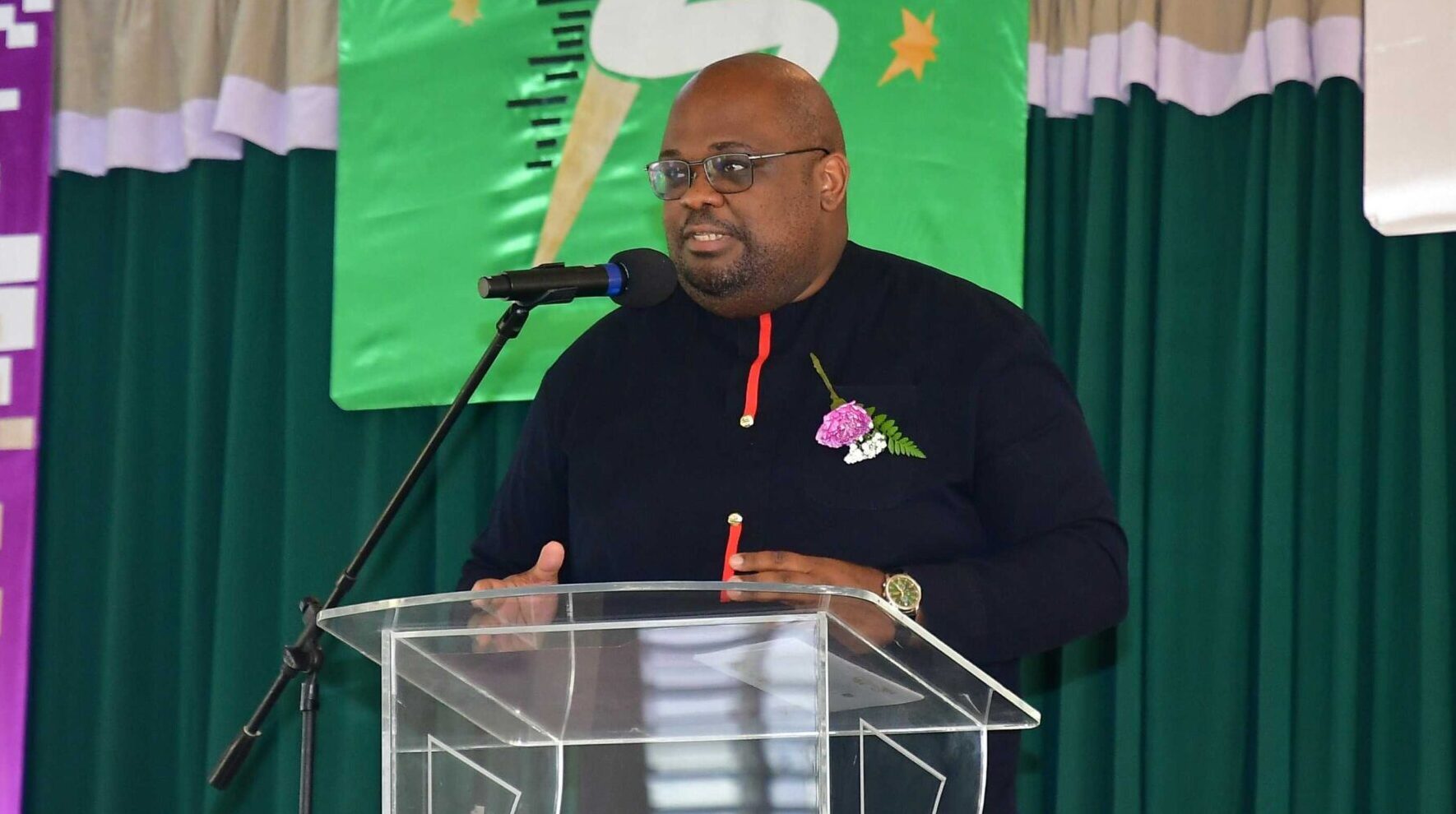
Addressing attendees at St George Secondary School’s speech day, Minister Blackman articulated Barbados’ unique developmental philosophy: “Our nation lacks gold, bauxite, or substantial oil reserves. We are not a military power. Our superpower as Bajans resides in our intellect, ideas, and cognitive capabilities. When we invest in educating our youth, the entire nation ultimately benefits.”
The minister emphasized that while education remains free at point of delivery, its substantial costs are collectively borne through taxation. “Comfort often breeds complacency toward valuable institutions,” Blackman noted. “Every renovated school, every trained teacher, every new facility represents investments paid not by parents at the delivery point, but by society through taxpayers. Recognizing this value remains essential.”
With Barbados approaching its 60th independence anniversary next year, Blackman positioned the initiative as part of broader national reflection on educational investments. “Historical moments require helping citizens understand investment significance. Students must value both resources and opportunities.”
The parental correspondence campaign—displaying zero balances for primary and secondary education while detailing actual costs—has faced opposition claims of being patronizing and failing to represent genuine accountability. Concurrently, the ministry is developing a national education tracker featuring individualized profile cards following each child from primary through secondary education, monitoring academic progression, technical skills, socio-emotional development, and personal interests.
Regarding nutritional reforms, Minister Blackman reaffirmed his hands-on leadership approach: “I maintain direct engagement through ministry meetings and cabinet policy development, but when corrective action proves necessary, I personally visit sites to understand ground realities.”
Citing Barbados’ escalating childhood obesity rates within a non-communicable disease epidemic, Blackman acknowledged unpopularity but stressed leadership persistence: “The ultimate objective remains preparing world-class Barbadian students equipped with values, discipline, and health to succeed globally.”
Although health falls outside his ministerial portfolio, Blackman emphasized collaborative responsibility: “We are working with food vendors toward common solutions. Government recognizes vendors’ contributions, but now requires coordinated action to ensure children access proper nutritional alternatives.”