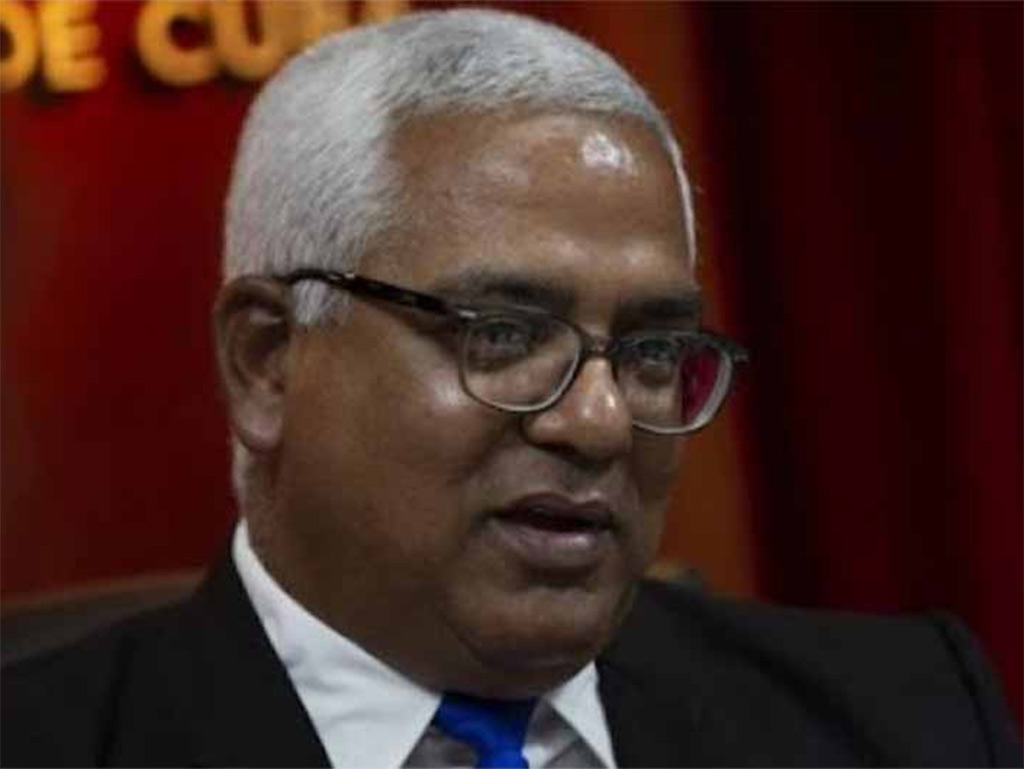
Cuban authorities have detailed the nation’s ongoing battle against international drug trafficking networks during a comprehensive press briefing. Silvera, who chairs the National Drug Commission, acknowledged that while domestic drug consumption remains relatively contained, the country faces escalating challenges from increasingly diverse and potent narcotics circulating globally.
Addressing the complex situation, Silvera emphasized the government’s collaborative approach, working across multiple societal sectors to implement preventative strategies against substance abuse. This multi-faceted effort comes despite Cuba’s unique position as a non-producing and non-trafficking nation that nevertheless suffers repeated attempts at drug introduction, primarily through maritime routes.
Colonel Juan Carlos Poey, head of the Specialized Anti-Drug Unit at the Ministry of the Interior (Minint), provided critical context, noting that Cuba’s geographical placement on major trafficking corridors makes it vulnerable to transnational criminal operations. First Colonel Ivey Carballo, Chief of Staff of the Border Guard Troops Directorate, further elaborated on this strategic challenge, explaining that the nation’s position on the South-North trafficking route necessitates constant vigilance over maritime territories.
The officials highlighted the crucial role of public cooperation in anti-drug efforts, with Cuban citizens frequently assisting authorities by reporting and temporarily securing packages containing illicit substances discovered in coastal waters. This community involvement, combined with systematic institutional efforts, forms the backbone of Cuba’s comprehensive strategy to eliminate drug trafficking—a phenomenon fundamentally incompatible with the nation’s social principles and foundational values.