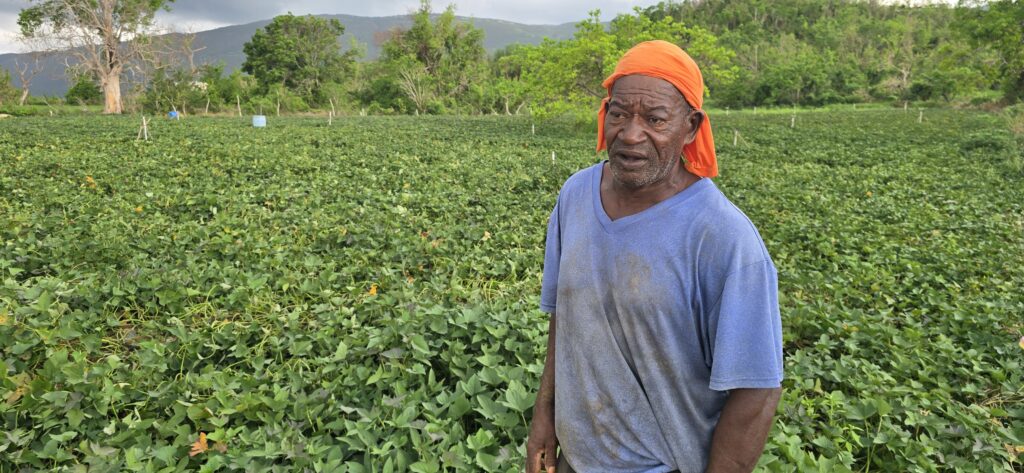
In the aftermath of Hurricane Melissa, agricultural communities in St. Elizabeth, Jamaica, are demonstrating remarkable resilience by independently replanting devastated fields, despite expressing profound frustration over delayed and politicized government assistance.
Farmer Anthony Smith from Ridge Pen recounted the complete destruction of his melon crop and half an acre of plantains. Despite officially reporting losses to the Rural Agricultural Development Authority (RADA) and being promised seeds and support, Smith states he has received no follow-up communication or aid. The 63-year-old farmer alleges systemic bias in agricultural support distribution, describing it as a ‘pick and choose’ system influenced by political affiliations rather than need.
Similar stories emerge across the parish. Sheldon Dockery of Destiny Goat and Duck Farm suffered catastrophic losses including 200 ducks and 10 goats alongside destroyed corn, pepper, and pumpkin crops. Rather than awaiting government intervention, Dockery immediately commenced replanting using stored seeds, embodying a self-reliant philosophy he believes essential for agricultural survival.
The economic impact extends beyond immediate crop damage. Shantol Brooks, a mother of two, revealed how nearly-ready cabbage, sweet pepper, and cauliflower crops—destined for crucial Christmas market sales—were completely ruined. Dale Williams from Burnt Savanna described total destruction of his half-acre farm containing corn and cassava, compounded by significant livestock losses and infrastructure damage to chicken coops.
These farmers universally report facing dual challenges: natural disaster recovery and systemic inadequacies in agricultural support systems. Many emphasize that promised assistance programs—including free tractor services for land preparation—have failed to materialize or been distributed selectively. Despite these obstacles, the farming community continues replanting operations, though many struggle with increased costs for fertilizers, seeds, and limited availability of agricultural labor.