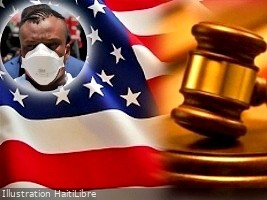
In a landmark ruling with significant implications for international justice, former Haitian gang leader Joly Germine has been sentenced to life imprisonment without parole by the United States federal court. The sentencing on December 3rd, 2025, marks the culmination of a three-year legal process that began with Germine’s extradition from Haiti in May 2022.
Germine, known by his alias “Yonyon,” led the notorious “400 Mawozo” criminal organization that orchestrated the abduction of 17 American citizens in Haiti on October 16, 2021. The victims, affiliated with Christian Aid Ministries, included twelve adults and five children ranging from an 8-month-old infant to teenagers. Court documents revealed that most hostages endured 62 days of captivity under armed guard in isolated conditions.
The federal jury in the District of Columbia reached a guilty verdict on May 16, 2025, following an intensive 10-day trial. Germine faced convictions on seventeen separate counts, including one charge of conspiracy to commit hostage-taking and sixteen counts of actual hostage-taking of American citizens for ransom purposes.
Evidence presented during trial proceedings demonstrated that Germine masterminded the entire operation, from the initial kidnapping to determining holding locations and establishing a $17 million ransom demand. Prosecutors established that the exorbitant ransom amount was strategically calculated to pressure the Haitian government into negotiating Germine’s own release from prison in exchange for the missionaries.
The hostage situation unfolded dramatically over two months, with two captives released on November 20, 2021, due to one suffering serious illness. Three additional hostages gained freedom on December 5 after payment of a $350,000 ransom. In a dramatic turn of events, the remaining twelve hostages managed to escape on December 16, 2021, taking advantage of their captors’ momentary inattention during nighttime hours.
This case represents a significant victory for international judicial cooperation and demonstrates the United States’ commitment to prosecuting crimes against its citizens abroad, regardless of where they occur.