Jamaica’s Office of Utilities Regulation (OUR) has publicly acknowledged its insufficient staffing capacity to conduct independent verification of restoration data submitted by utility providers following Hurricane Melissa. This revelation emerged during a tense session of the Public Administration and Appropriations Committee, where lawmakers expressed deep concerns about the reliability of self-reported recovery statistics.
Committee members confronted the regulatory body regarding its continued dependence on unverified restoration figures from major service providers including Flow, Digicel, National Water Commission, and Jamaica Public Service Company (JPS). The disclosure comes amid persistent complaints from numerous communities still lacking essential services despite official claims of widespread restoration.
St James Southern MP Nekeisha Burchell challenged the OUR’s methodology, questioning how the regulator could credibly assess national recovery efforts without ground-level verification capabilities. “Data coming from self-reporting can sound as good as you want them to sound,” Burchell noted, emphasizing the particular challenges faced by rural constituencies where satellite data proves inadequate.
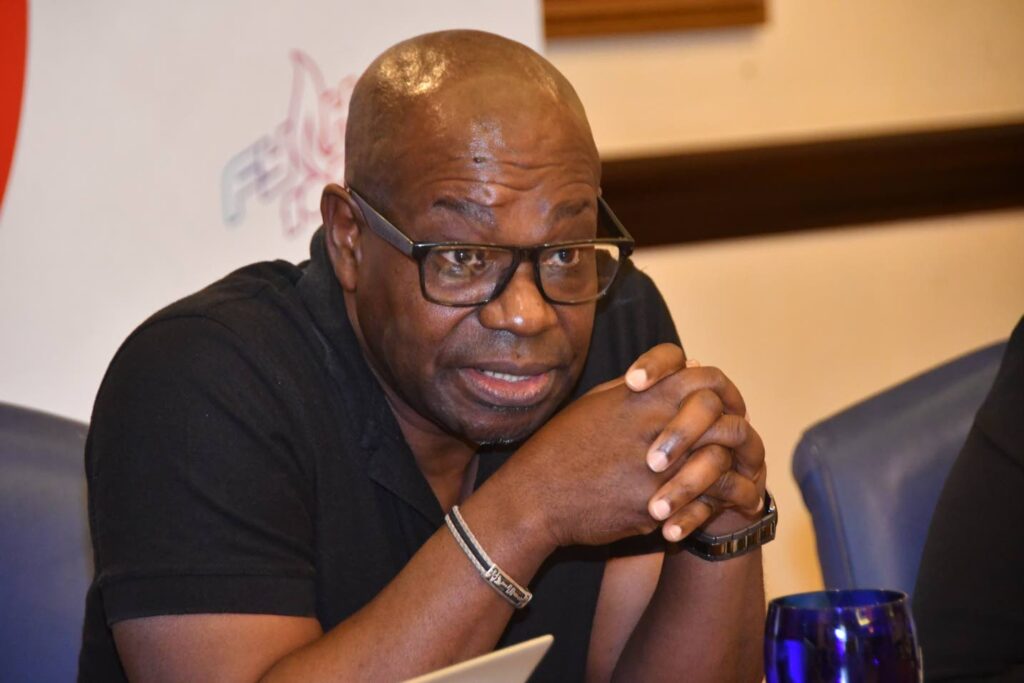
OUR Director General Ansord Hewitt conceded the organization’s limitations, explaining that while occasional spot checks are conducted and company-reported information is posted online for public scrutiny, these measures remain insufficient for comprehensive verification. Hewitt revealed that the OUR has occasionally questioned discrepancies in sequential reports but lacks resources for universal validation.
The regulatory head acknowledged that the suggestion to seek additional resources from the Office of the Prime Minister or the Office of Disaster Preparedness and Emergency Management had not been previously considered but would now be examined.
Manchester North Western MP Mikael Phillips challenged the OUR’s previous declarations of credible recovery after Hurricane Beryl, given the current admission of inadequate audit capabilities. Hewitt clarified that while post-restoration audits remain possible, real-time assessment during active disaster response exceeds current capacity.
St Andrew East Rural MP Juliet Holness reinforced these concerns by recounting her experience with fabricated restoration schedules after Hurricane Beryl. She advocated for a more coordinated long-term approach involving community representatives, parish councils, and political leaders who possess direct knowledge of affected areas.
The committee session highlighted systemic challenges in disaster response verification and raised fundamental questions about accountability mechanisms during national emergencies affecting utility infrastructure.