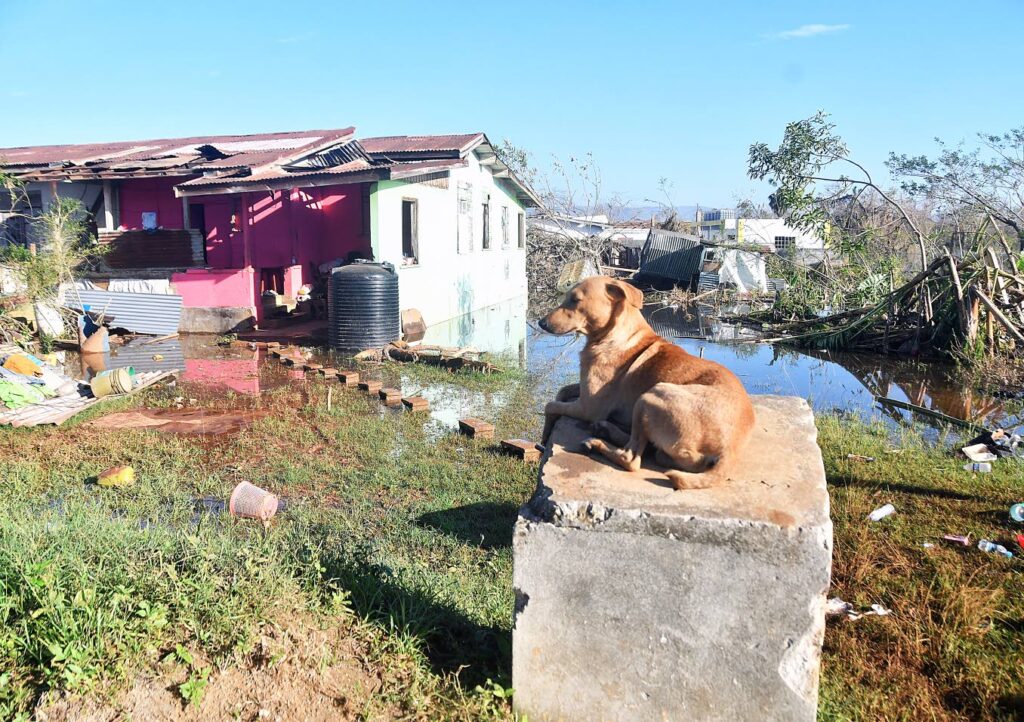
In a remarkable humanitarian effort following the devastation of Hurricane Melissa, Jamaican authorities successfully rescued more than 50 distressed dogs from severely affected communities in the island’s southwestern parishes. Many of these animals have now been adopted into loving homes overseas.
Agriculture Minister Floyd Green, speaking at a special post-hurricane media briefing at Jamaica House on Wednesday, emphasized that while the primary focus remained on saving human lives and delivering essential aid to devastated communities, the government maintained significant concern for animal welfare during the catastrophic event.
Minister Green detailed how personnel from the Veterinary Services Unit collaborated with the Jamaica Defence Force (JDF) in specialized rescue operations targeting stranded pets, particularly dogs isolated by flooding. The teams conducted aerial reconnaissance missions to identify locations where animals were trapped and required emergency assistance.
“The ministry facilitated the export of 58 dogs rescued through these coordinated missions,” Green announced. “Some have found new homes in the United States, while others have been relocated to Canada.”
The Veterinary Services Division has demonstrated exceptional commitment in the aftermath of the Category 5 storm that struck Jamaica on October 28. The ministry has established free veterinary clinics across multiple parishes, including St. Elizabeth, St. James, and Westmoreland, with additional services planned for Clark’s Town in Trelawny. These clinics provide critical support including medical treatment, medication, wound care, vaccinations, and nutritional assistance for both farm animals and pets.
While no official estimate exists for pet fatalities during Hurricane Melissa, the human toll continues to mount. The Office of Disaster Preparedness and Emergency Management (ODPEM) has confirmed 45 storm-related fatalities with 18 individuals still missing.
The agricultural sector suffered catastrophic losses, with Minister Green reporting to Parliament on November 11 that farmers lost 5,600 pigs, 3,560 small ruminants (goats and sheep), and 2,850 cattle. The poultry industry was particularly devastated, losing 458,000 laying hens (representing over 40% of the national layer population) and 780,000 broiler chickens.
The preliminary damage assessment for the agricultural sector initially estimated losses at $30 billion, but according to World Bank rapid assessment data, this figure has now doubled to approximately $60 billion, highlighting the unprecedented scale of destruction wrought by Hurricane Melissa.