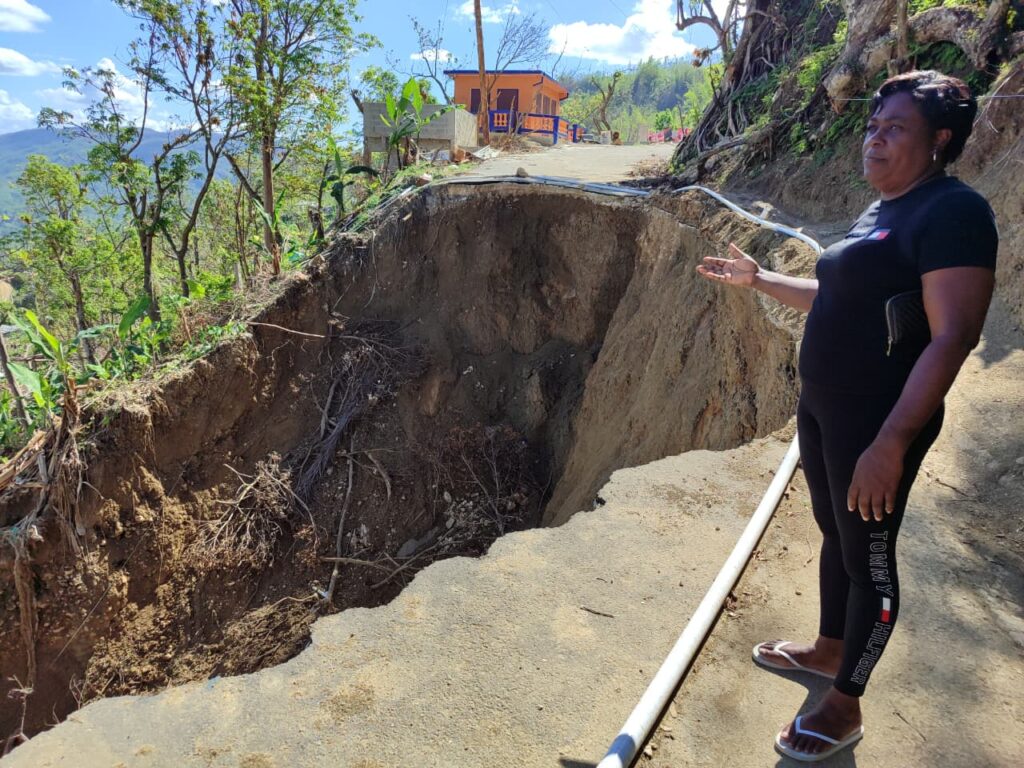
Residents of Spring Mount in southern St James, Jamaica, are issuing urgent appeals for visible warning signage after Hurricane Melissa carved a massive 30-foot chasm through a critical section of the main highway connecting Montego Bay to Kingston. With the area still without electricity, the gaping precipice becomes virtually invisible after dark, creating an imminent lethal hazard for unsuspecting motorists.
Local resident Nicole Heaven articulated the community’s primary fear: travelers unfamiliar with the catastrophic road damage risk plunging into the abyss. Despite residents’ improvised efforts to direct traffic, the situation remains perilous. The only vehicular detour available is through the notoriously dangerous Hampton route via Charlie Mount—a narrow, winding, and poorly lit corridor with steep drops, partial debris clearance, and frequent traffic bottlenecks that fuel driver frustration.
Beyond the safety crisis, the infrastructure collapse has triggered severe socioeconomic repercussions. Transportation costs have doubled, with taxi fares skyrocketing from $250 to $500 JMD for the journey to Montego Bay. Elderly and medically vulnerable residents face isolation, as emergency vehicle access is now impossible. Community member ‘Bibs’ expressed additional concerns that impending rainfall could further erode the unstable terrain, expanding the chasm.
While representatives from the National Works Agency have assessed the site, no timeline for repairs has been provided. The agency’s Community Relations Officer, Janel Ricketts, has advised residents to avoid the unstable area entirely. Currently, only pedestrian access is permitted to the Spring Mount Police Station, leaving the community grappling with both immediate danger and long-term accessibility challenges.