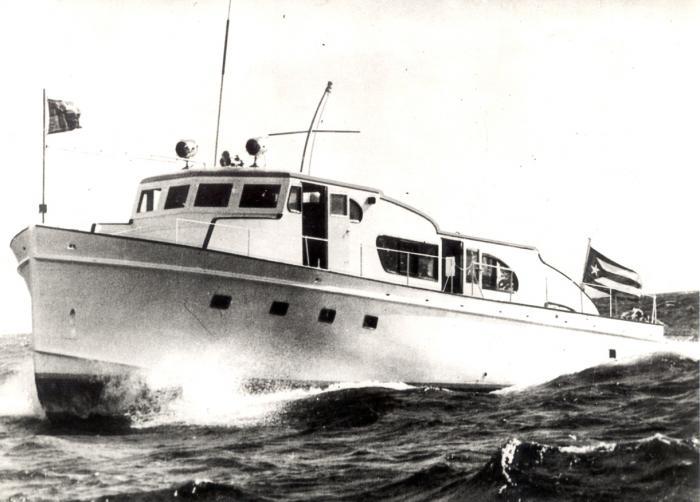
December 2, 1956, marked a definitive turning point in Cuban history when 82 revolutionary expeditionaries led by Fidel Castro embarked on their perilous landing at Los Cayuelos near Playa Las Coloradas. After seven grueling days aboard the overcrowded Granma yacht battling violent storms and treacherous seas, the determined rebels faced their ultimate test upon reaching Cuban shores.
The landing itself proved more challenging than anticipated. What appeared as solid ground from the yacht revealed itself as a treacherous swamp, with thick, cold mud clinging to the revolutionaries’ legs as they waded through chest-deep waters for two exhausting hours. The physical ordeal of dragging themselves through the sucking terrain while carrying heavy equipment and weapons pushed the men to their absolute limits.
At dawn, their position was discovered by government forces. Heavy naval artillery fire targeted the stranded Granma yacht while aerial attacks sent bursts of gunfire across the marshland. Despite extreme fatigue, hunger, and the immediate threat of enemy engagement, the expeditionaries maintained their unbreakable resolve—a collective determination to achieve Cuban liberation or martyrdom.
This historic landing gave birth to what would become Cuba’s Revolutionary Armed Forces, inheriting the legacy and mettle of the original Rebel Army. The events of that December morning transcended the immediate struggle, evolving into a powerful symbol of national resistance and self-determination. The ordeal at Los Cayuelos planted the seeds of revolutionary triumph that would ultimately reshape Cuba’s political landscape, creating a living legacy that continues to influence subsequent generations of Cubans.